Walk into any modern kitchen, deli, or food truck, and you'll likely see them: the ubiquitous blue, white, or black disposable gloves. They have become a universal symbol of hygiene and care in food preparation. But are they a magic shield against germs? The truth is more complex. Disposable gloves are a critical tool in the food safety arsenal, but their effectiveness is entirely dependent on how they are used.
This article provides a complete guide to understanding the role of disposable gloves in preventing foodborne illness, from the science behind their use to the practical rules that every food handler—and informed consumer—should know.
Why Wear Gloves? The Core Principles of Protection
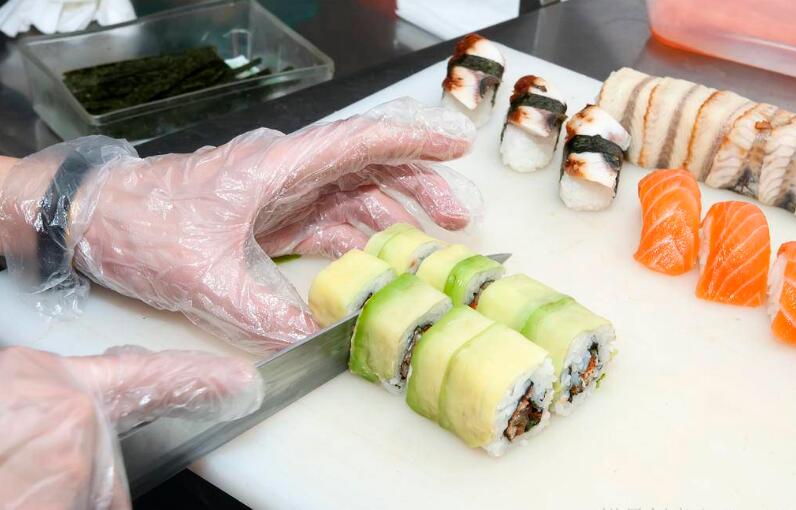
The primary purpose of wearing gloves in a food handling environment is to create a physical barrier. This barrier works in two important ways:
-
Preventing Cross-Contamination: Human hands, even when recently washed, can carry thousands of microorganisms. Gloves prevent the transfer of pathogens (like E. coli, Salmonella, and Norovirus) from a handler's hands to the food. This is especially critical when handling Ready-to-Eat (RTE) foods—items that will not be cooked further, such as salads, sandwiches, and fresh fruit.
-
Protecting the Food Handler: Gloves also protect the employee from the food. This is relevant when handling raw meats, spicy peppers (capsaicin), or acidic ingredients that could irritate the skin. Furthermore, if a handler has a small cut, bandage, or skin condition, a glove provides an essential secondary barrier to prevent any bodily fluids from contaminating the food.
-
Compliance and Customer Confidence: Health codes in many regions, including the FDA Food Code in the United States, mandate that a barrier be used when handling RTE foods. Seeing employees use gloves correctly also boosts customer confidence, showing a visible commitment to hygiene and safety.
The Golden Rules: How to Use Disposable Gloves Correctly
Simply wearing gloves is not enough. In fact, improper glove use can be more dangerous than using properly washed bare hands because it creates a false sense of security. Adhering to these rules is non-negotiable.
Rule #1: Handwashing is Paramount
This is the most important rule and the one most often overlooked. Gloves are a supplement to handwashing, not a substitute for it.
- Wash hands thoroughly with soap and water for at least 20 seconds before putting on a new pair of gloves.
- Wash hands thoroughly after removing gloves and before starting a new task.
Why? If you don't wash your hands before putting on gloves, any bacteria on your hands will be trapped in a warm, moist environment, allowing them to multiply. If the glove tears, those bacteria can be transferred directly to the food.
Rule #2: Choose the Right Glove for the Job
Not all disposable gloves are created equal. The material affects durability, fit, and cost.
- Nitrile (Blue/Black): Generally considered the best choice for food service. They are durable, puncture-resistant, and free of latex allergens. Their snug fit provides good dexterity for complex tasks.
- Vinyl (Clear/White): A more affordable option, vinyl gloves are looser-fitting and less durable. They are best suited for short-term, low-risk tasks like simple sandwich assembly, where frequent changes are expected.
- Latex (Natural/Yellowish): Once the standard, latex gloves are now less common due to the prevalence of latex allergies. While they offer excellent fit and comfort, the allergy risk to both employees and customers makes nitrile a safer alternative.
- Polyethylene (Clear, Baggy): These are the thin, loose plastic gloves you often see at self-serve salad bars. They are intended for very short, single-use applications like grabbing a pastry.
Rule #3: Know When to Change Your Gloves
A single pair of gloves should be used for a single, continuous task. Change your gloves immediately in any of the following situations:
- When they become torn, soiled, or contaminated.
- After every four hours of continuous use, as bacteria can build up on the surface.
- When switching from handling raw food to Ready-to-Eat (RTE) food. For example, moving from handling raw chicken patties to assembling a salad.
- After handling allergens like peanuts or shellfish before preparing an allergen-free meal.
-
After any non-food-related activity, such as:
- Touching your face, hair, or clothing.
- Sneezing, coughing, or using a tissue.
- Handling money or using a cash register.
- Touching a phone, doorknob, or trash can.
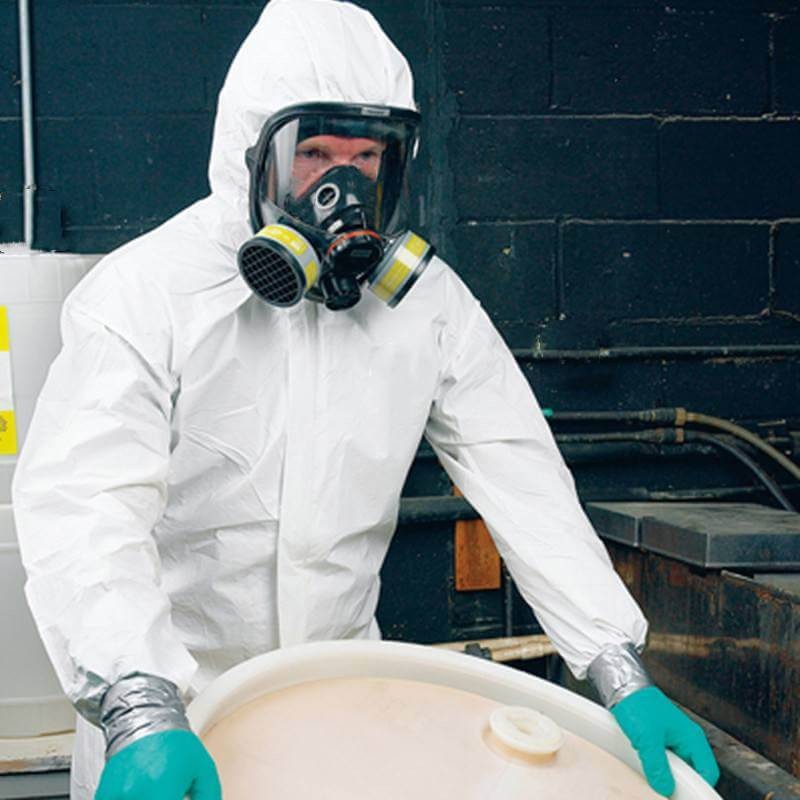
- Cleaning or using chemical agents.
Rule #4: Proper Donning and Doffing Technique
How you remove gloves is just as important as when you change them. The goal is to avoid touching the contaminated exterior of the glove with your bare hands.
- Grasp the Outside: With one gloved hand, pinch the outside of the other glove at the wrist area.
- Peel It Off: Peel it downwards, turning it inside out as you go. The contaminated side is now on the inside.
- Hold the Removed Glove: Hold the inside-out glove in your remaining gloved hand.
- Slide Under: With your now-bare hand, slide two fingers under the wrist of the remaining glove. Be careful to only touch the clean, inside surface.
- Peel and Dispose: Peel this glove downwards, trapping the first glove inside it. Dispose of both gloves immediately in a proper waste bin.
- Wash Your Hands.
Common Myths and Critical Mistakes to Avoid
-
Myth: Gloves are a "magic barrier" that keeps hands clean.
- Reality: Gloves get just as dirty as bare hands. Touching a raw chicken breast and then a head of lettuce with the same gloved hand is still cross-contamination.
-
Mistake: The "One-Pair-for-Everything" Approach.
- Reality: This is a major food safety violation. A worker who handles money and then makes your sandwich with the same gloves is transferring every germ from that cash directly to your food.
-
Mistake: Reusing or "Washing" Disposable Gloves.
- Reality: Disposable gloves are designed for single use. Washing them can degrade the material, creating micro-tears that allow bacteria to pass through. They must be discarded after use.
-
Mistake: Blowing into gloves to open them up.
- Reality: This directly transfers saliva and airborne pathogens from your mouth onto the inside surface of the glove, defeating its purpose entirely.
Conclusion: A Tool, Not a Silver Bullet
Disposable gloves are an indispensable part of modern food safety. When used correctly, they provide a vital barrier that protects both consumers and food service professionals. However, their power lies not in the glove itself, but in the knowledge and discipline of the person wearing it.
Remember that a dirty gloved hand is far more dangerous than a clean bare hand. The foundation of food safety will always be diligent handwashing and a constant awareness of preventing cross-contamination. Gloves are simply one tool—albeit a very important one—to help achieve that goal.