What Is Category III Protective Clothing?
Category III protective clothing refers to PPE designed for high-risk environments where serious or irreversible harm may occur. It is widely used in industrial, medical, chemical, and contamination-sensitive applications and must meet strict European certification requirements.
Table of Contents
Definition of Category III Protective Clothing
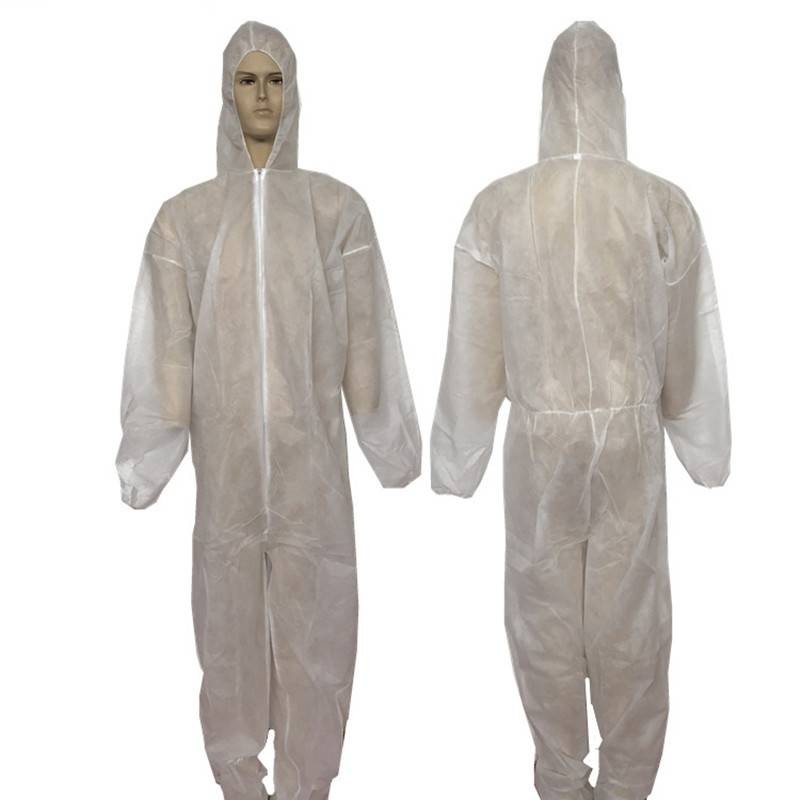
Category III protective clothing is classified under EU PPE Regulation (EU) 2016/425. It covers equipment designed to protect users against high-risk hazards that may cause serious injury, illness, or irreversible health damage.
This category includes protective coveralls, chemical protective suits, and specialized industrial PPE used in controlled and hazardous environments.
Why Category III Matters
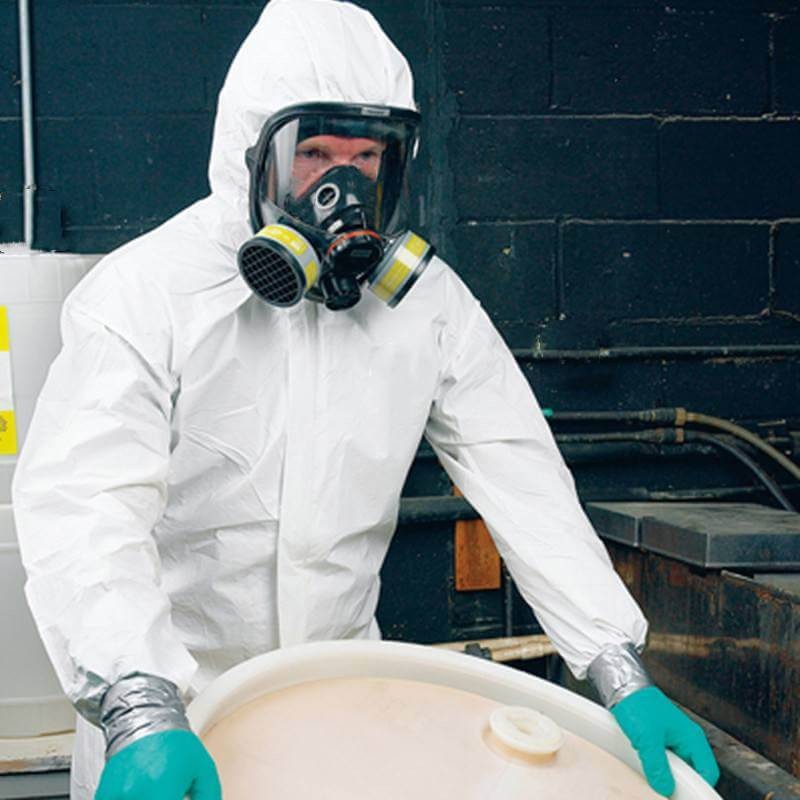
Category III PPE is required when workers are exposed to:
- Hazardous chemicals
- Infectious agents
- Airborne particles
- Industrial contaminants
- High-risk biological environments
Unlike basic protective clothing, Category III products must undergo strict testing, certification, and quality control procedures.
Certification Standards
Category III protective clothing must comply with relevant EN ISO standards depending on application:
| Standard | Purpose | Application |
|---|---|---|
| EN ISO 13982-1 (Type 5) | Protection against solid airborne particles | Asbestos, dust, industrial powders |
| EN 13034 (Type 6) | Limited liquid splash protection | Light chemical handling |
| EN 14126 | Protection against infective agents | Medical & biological environments |
Industry Applications
Healthcare & Medical
Used in isolation units, infection control, and laboratory environments where biological exposure risk exists.
Industrial Manufacturing
Protects workers from dust, fibers, and chemical exposure during production processes.
Chemical & Pharmaceutical Industry
Ensures safety when handling hazardous substances and active pharmaceutical ingredients.
Construction & Remediation
Used for asbestos removal, demolition, and contaminated site cleanup.
Food Processing (Controlled Zones)
Maintains hygiene standards and reduces contamination risks.
Category I vs II vs III
| Category | Risk Level | Protection Level | Example Use |
|---|---|---|---|
| Category I | Minimal risk | Basic protection | Light cleaning work |
| Category II | Intermediate risk | Moderate protection | General industrial use |
| Category III | High risk | Advanced protection | Chemical, medical, hazardous environments |
How to Choose Category III Protective Clothing
- Identify hazard type (chemical, biological, particle)
- Check required EN certifications
- Evaluate material performance (SMS, microporous, laminated)
- Confirm comfort and breathability
- Verify supplier certification documents
- Match product with real application scenario
FAQ
Is Category III PPE required for all industries?
No. It is only required for high-risk environments with serious health hazards.
What makes Category III different from Category II?
Category III requires stricter certification and is designed for higher-risk applications.
Are Category III coveralls reusable?
Most are disposable to ensure contamination control and compliance with safety standards.
Recommended Reading
- Complete Guide to Disposable Protective Clothing
- Type 5 vs Type 6 Coveralls Explained
- Microporous vs SMS Coveralls
- Protective Clothing Standard Explained
- Industrial PPE Buying Guide for Importers