Why Understanding Protective Clothing Standards Matters for PPE Buyers
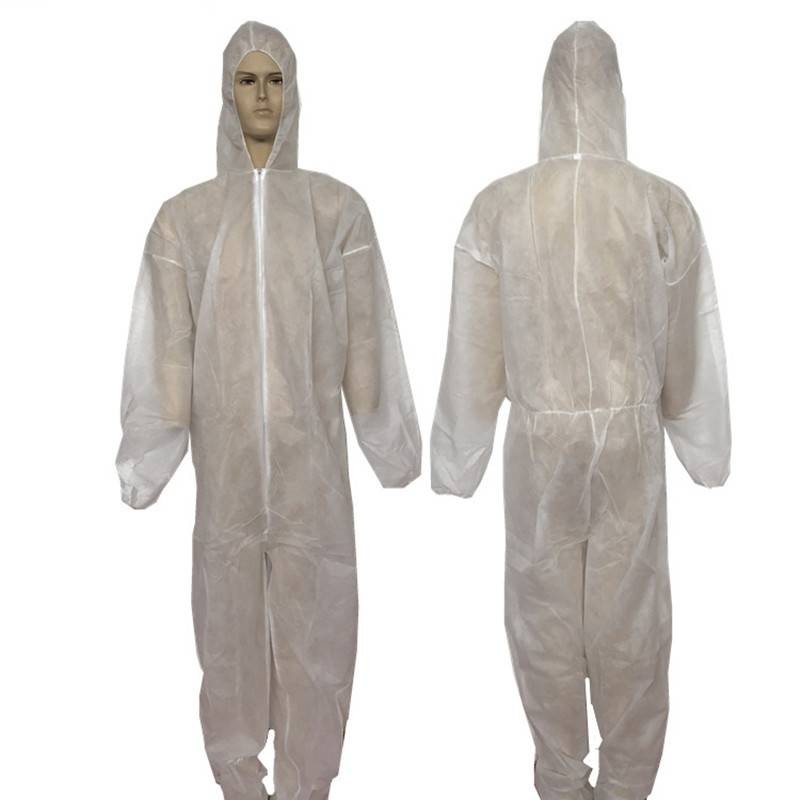
When purchasing disposable protective clothing, many buyers focus on fabric type, price, and appearance. However, the most important factor is whether the garment meets the required protection standards for its intended application.
A coverall that looks similar from the outside may provide completely different protection levels depending on its certification.
For international PPE buyers, understanding protective clothing standards helps avoid purchasing unsuitable products, compliance problems, and unnecessary costs.
These standards define how protective clothing is tested, what hazards it protects against, and where it can be used.
What Are Protective Clothing Standards?
Protective clothing standards are internationally recognized technical requirements used to evaluate the performance and safety of protective garments.
They define:
- Protection level
- Test methods
- Material performance
- Seam strength
- Liquid resistance
- Particle penetration resistance
- Biological protection capability
In the European market, disposable protective clothing is mainly regulated under CE marking requirements and related EN standards.
The most common standards for disposable coveralls include:
- CE certification
- EN ISO 13982-1 (Type 5)
- EN 13034 (Type 6)
- EN 14126
- EN 14605
Understanding CE Certification for Protective Clothing
What Does CE Marking Mean?
CE marking indicates that a product complies with European Union health, safety, and environmental protection requirements.
For protective clothing, CE certification shows that the product has been evaluated according to applicable PPE regulations.
The current framework is:
EU Regulation 2016/425 on Personal Protective Equipment
Is CE Marking a Protection Standard?
A common misunderstanding among buyers is that CE itself represents a specific protection level.
It does not.
CE is a compliance mark showing that the product meets European PPE requirements.
The actual protection performance comes from specific EN standards.
For example:
- CE + EN ISO 13982-1 = protection against airborne solid particles
- CE + EN 13034 = limited liquid splash protection
- CE + EN 14126 = protection against infective agents
EN ISO 13982-1: Protection Against Solid Particles (Type 5)
EN ISO 13982-1 defines requirements for protective clothing against airborne solid particles.
It is commonly known as Type 5 protection.
This standard is important for workplaces where workers may be exposed to:
- Industrial dust
- Fibers
- Powder chemicals
- Hazardous particles
- Construction debris
Common Applications of Type 5 Coveralls
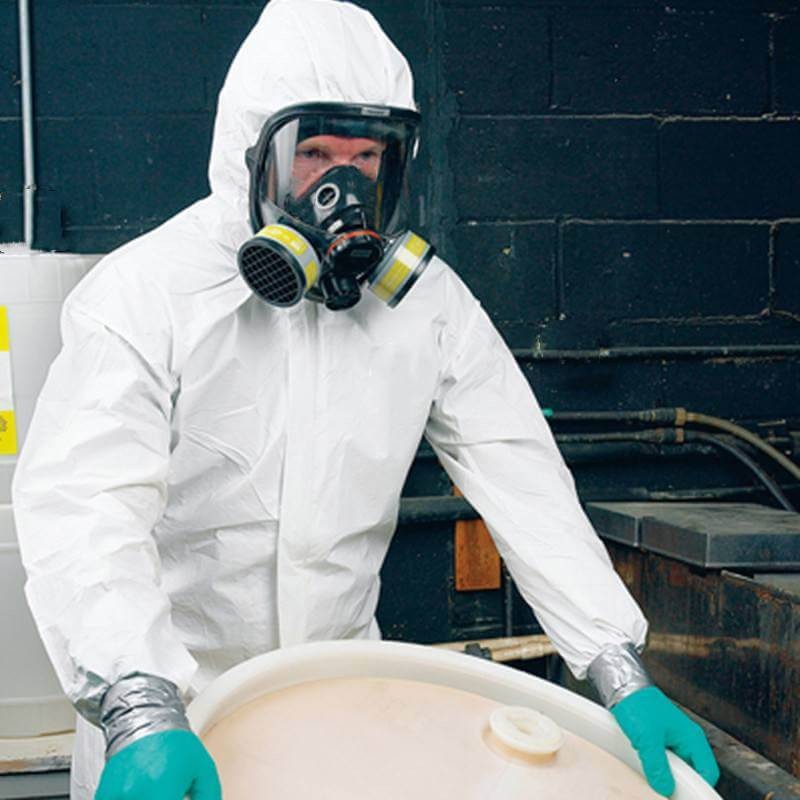
Industries using Type 5 protective clothing include:
Pharmaceutical Manufacturing
Powder handling and production processes require protection against fine particles.
Chemical Industry
Workers may need protection when handling dry chemical substances.
Construction and Remediation
Especially important in asbestos removal and contaminated material handling.
Industrial Cleaning
Used where dust and airborne particles create workplace risks.
EN 14126: Protection Against Infective Agents
EN 14126 specifies requirements for protective clothing against biological hazards.
It evaluates whether protective garments can prevent penetration by infectious materials.
This standard is especially important for:
- Healthcare environments
- Laboratories
- Biological research
- Infection control applications
What Does EN 14126 Test?
EN 14126 evaluates several resistance properties, including:
- Resistance to contaminated liquids
- Resistance to biological penetration
- Resistance to microorganisms
Products certified under EN 14126 are designed for situations where biological contamination risks exist.
Type 5 vs EN 14126: Are They the Same?
No.
This is one of the most common questions from PPE buyers.
Type 5 and EN 14126 address different hazards.
| Standard | Protection Focus |
|---|---|
| EN ISO 13982-1 | Airborne solid particles |
| EN 13034 | Limited liquid splash |
| EN 14126 | Infective biological agents |
A product can have multiple certifications depending on its intended application.
For example, a medical protective coverall may combine:
- CE certification
- EN ISO 13982-1
- EN 13034
- EN 14126
Why Material Selection Is Related to Standards
Certification depends not only on the fabric itself but also on garment construction.
Important factors include:
Fabric Structure
Common materials include:
- PP nonwoven
- SMS fabric
- Microporous laminated fabric
Each provides different levels of barrier protection and comfort.
Seam Design
Seams are often the weakest area of protective clothing.
Certified protective garments must consider:
- Seam strength
- Liquid penetration
- Particle leakage
Garment Design
Features affecting protection include:
- Hood structure
- Elastic cuffs
- Zipper flap
- Seam sealing
How Buyers Should Evaluate Protective Clothing Certifications
Before placing bulk orders, professional buyers should check:
1. Verify Certification Documents
Request:
- EU Declaration of Conformity
- Test reports
- Certification information
2. Match Standards With Application
Do not select products only based on price.
Consider:
- Workplace hazards
- Required protection level
- Industry regulations
3. Check Supplier Experience
A reliable PPE supplier should understand:
- International standards
- Export requirements
- Product testing procedures
Common Mistakes When Buying Certified Protective Clothing
Choosing CE Marking Only
CE does not tell the complete protection level.
Buyers need to identify the specific EN standard.
Using Medical Products for Industrial Applications
Medical protective clothing and industrial protective clothing may have different testing requirements.
Ignoring Certification Validity
Always verify whether certification documents match:
- Product model
- Manufacturer
- Material specification
Frequently Asked Questions
What is the most common standard for disposable coveralls?
The most common standards are EN ISO 13982-1 (Type 5) and EN 13034 (Type 6).
Does CE certification mean a coverall is safe?
CE indicates compliance with EU PPE requirements, but the actual protection depends on specific EN standards.
Is EN 14126 only for medical clothing?
No. EN 14126 applies to any protective clothing requiring protection against biological hazards.
What standards should PPE importers check?
Importers should check the required standards based on application, including CE, EN ISO 13982-1, EN 13034, and EN 14126.