
Type 5 vs Type 6 Coveralls: What's the Difference?

2026/6/16 17:51:24 person comment browse classification:Industry news

Type 5 vs Type 6 Coveralls: What's the Difference?

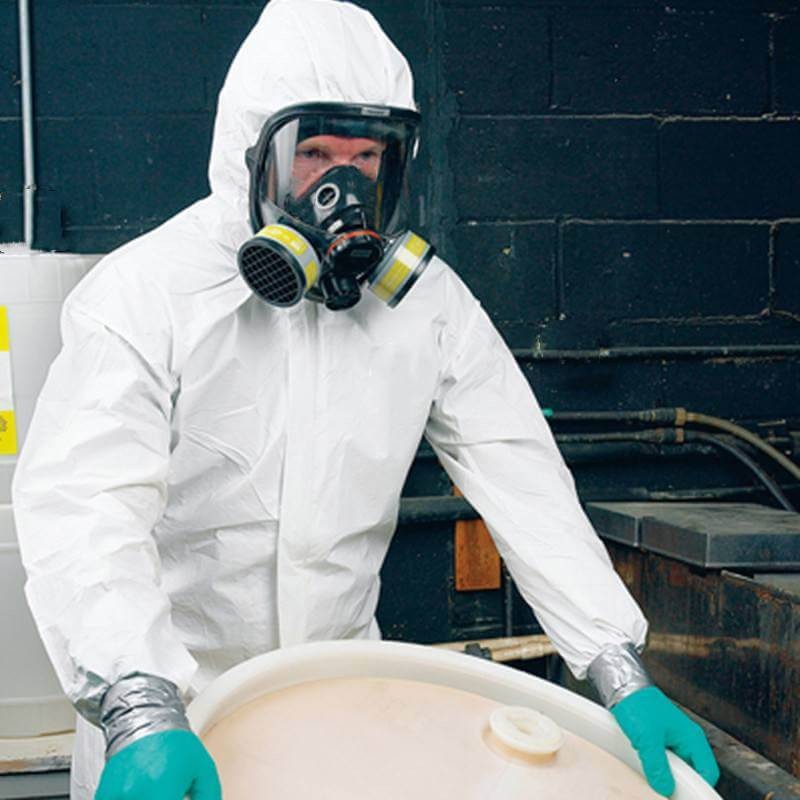
Understanding the difference between Type 5 and Type 6 coveralls is essential for selecting the right disposable protective clothing for industrial, medical, and contamination-risk environments. This guide explains standards, protection levels, and application scenarios for global PPE buyers.

Overview of Type 5 and Type 6 Coveralls

Type 5 and Type 6 coveralls are classified under European PPE standards and define different levels of protection against particles, liquids, and contamination risks.

These classifications help buyers select appropriate protective clothing based on workplace hazards rather than appearance or material alone.


What is Type 5 Protection?

Type 5 protective clothing is designed to protect against airborne solid particles such as dust, fibers, and dry hazardous substances.

It is commonly used in environments where workers may be exposed to fine particulate contamination.

Typical Applications of Type 5 Coveralls

  • Asbestos removal
  • Pharmaceutical manufacturing
  • Chemical powder handling
  • Industrial cleaning operations
  • Construction dust environments

Type 5 garments are widely used in high-risk industrial environments where particle penetration must be minimized.


What is Type 6 Protection?

Type 6 coveralls provide limited protection against light liquid splashes and low-risk chemical exposure.

They are designed for environments where full chemical resistance is not required but basic splash protection is necessary.

Typical Applications of Type 6 Coveralls

  • Light chemical handling
  • General industrial maintenance
  • Food processing environments
  • Cleaning operations
  • Low-risk laboratory work

Key Differences Between Type 5 and Type 6

The main difference lies in the type of hazard protection:

  • Type 5: Protection against airborne solid particles
  • Type 6: Protection against light liquid splashes

In many modern PPE products, manufacturers combine both certifications to offer dual protection (Type 5/6 coveralls), making them suitable for mixed-risk environments.


Industry Applications

Industrial Sector

Used for dust control, maintenance work, and manufacturing processes involving particles or light chemicals.

Healthcare & Laboratories

Used in contamination control, biological sample handling, and cleanroom environments.

Food Processing

Helps maintain hygiene standards and reduce contamination risks during production and packaging.

Construction & Remediation

Essential for asbestos removal, demolition work, and hazardous material handling.


How to Choose the Right Coverall

When selecting between Type 5 and Type 6 coveralls, buyers should consider:

  • Nature of workplace hazards (particles vs liquids)
  • Exposure duration
  • Regulatory compliance requirements
  • Comfort and breathability
  • Certifications and test reports
  • Industry application standards

For mixed-risk environments, Type 5/6 combined coveralls are often the most practical choice.


Frequently Asked Questions

Can Type 6 coveralls protect against dust?

Type 6 is not designed for airborne dust protection. It focuses on light liquid splash resistance.

Are Type 5 and Type 6 reusable?

No. Most certified Type 5 and Type 6 coveralls are disposable to ensure contamination control and compliance.

Which industries use Type 5/6 combined coveralls?

Industrial manufacturing, laboratories, chemical handling, and food processing commonly use dual-certified coveralls.


Recommended Reading

Related information