Disposable Coveralls for Asbestos Removal: How to Choose the Right Protective Clothing

2026/7/20 14:40:07 person comment browse classification:Industry news

Why Disposable Coveralls Matter in Asbestos Removal

Asbestos removal is one of the most demanding applications for disposable protective clothing.

During asbestos abatement work, microscopic asbestos fibers can become airborne and may remain suspended in the workplace environment for extended periods.

Because these fibers are difficult to detect and can easily attach to clothing and equipment, workers need protective garments designed to reduce contamination risks.

Disposable coveralls are commonly used in asbestos removal projects because they provide:

  • Full-body coverage
  • Barrier protection against hazardous particles
  • Easy disposal after use
  • Reduced risk of fiber transfer outside the work area

However, not all disposable coveralls are suitable for asbestos applications.

The selection should be based on protection level, material performance, seam construction, and applicable safety requirements.


What Are Disposable Coveralls for Asbestos Removal?

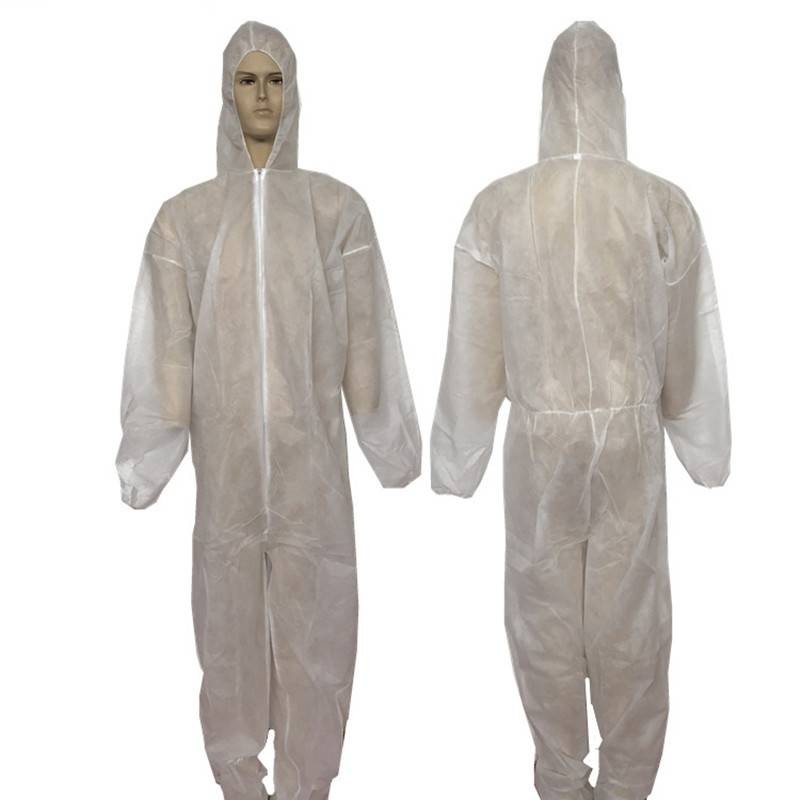
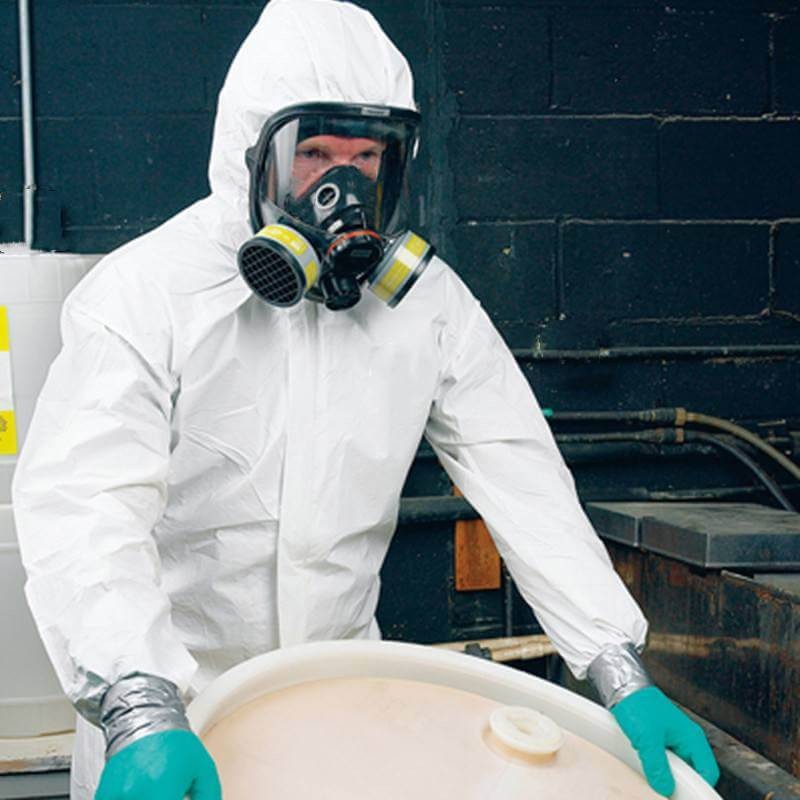
Disposable coveralls for asbestos removal are protective garments designed to help prevent asbestos fibers from reaching workers' skin and personal clothing.

Unlike ordinary disposable coveralls, asbestos protective clothing needs to provide reliable particle barrier performance because asbestos exposure is mainly related to airborne fibers.

Typical features include:

  • Hooded design
  • Elastic cuffs and ankles
  • Full front zipper protection
  • Low-lint materials
  • Particle-resistant fabric
  • Strong seam construction

These features help reduce the possibility of asbestos fibers entering or leaving the controlled work area.


Why Asbestos Removal Requires Specialized Protective Clothing

Protection Against Airborne Fibers

The biggest challenge during asbestos removal is airborne contamination.

Activities such as:

  • Removing asbestos insulation
  • Demolition work
  • Cutting asbestos-containing materials
  • Cleaning contaminated areas

can release tiny fibers into the air.

Protective coveralls help create a physical barrier between workers and hazardous particles.


Preventing Secondary Contamination

One major concern in asbestos work is not only worker exposure but also fiber transfer.

Workers may accidentally carry asbestos fibers to:

  • Vehicles
  • Offices
  • Homes
  • Clean areas

Disposable coveralls help reduce this risk because they can be removed and disposed of after completing the task.


What Type of Coveralls Are Used for Asbestos Removal?

Type 5 Coveralls for Asbestos Applications

Type 5 protective coveralls are commonly selected for asbestos removal because they are designed for protection against airborne solid particles.

The standard associated with this protection level is:

EN ISO 13982-1 (Type 5)

Type 5 coveralls are tested for:

  • Particle penetration resistance
  • Whole garment protection
  • Protection against hazardous dry particles

For many asbestos-related applications, Type 5 protection is considered an important requirement.


Key Features to Look for in Asbestos Protective Coveralls

1. Particle Barrier Performance

The primary requirement for asbestos protective clothing is resistance against fine particles.

Suitable materials should provide:

  • Effective particle filtration
  • Low particle penetration
  • Reliable barrier performance

Common fabric choices include:

Microporous Laminated Fabric

Microporous coveralls are widely used in industrial applications because they offer:

  • Strong particle barrier
  • Liquid resistance
  • Lightweight protection

They are often selected for environments requiring higher protection than basic nonwoven garments.


SMS Fabric

SMS fabric provides:

  • Better breathability
  • Good comfort
  • Basic particle protection

It may be suitable for lower-risk applications where comfort is a priority.


2. Hood and Body Coverage

Asbestos fibers can attach to exposed areas of clothing and skin.

Important design features include:

  • Attached hood
  • Elastic wrist cuffs
  • Elastic ankle closures
  • Full-body coverage

These features help minimize exposed gaps during work.


3. Seam Construction

Seams are often overlooked but are critical in hazardous environments.

Poor seam design may create weak points where particles can enter.

For asbestos-related applications, buyers should consider:

  • Reinforced seams
  • Covered seams
  • Improved particle resistance

The protective performance of a coverall depends on both fabric and construction quality.


4. Zipper Protection

The front zipper area is another potential entry point.

Professional protective coveralls may include:

  • Zipper flaps
  • Covered closures
  • Additional protective layers

These designs help improve overall barrier performance.


Industries and Applications Using Asbestos Protective Coveralls

Construction and Demolition

Construction workers may encounter asbestos-containing materials during:

  • Building renovation
  • Demolition projects
  • Structural repairs

Disposable coveralls help support contamination control during these operations.


Industrial Maintenance

Older industrial facilities may contain asbestos materials in:

  • Equipment insulation
  • Pipes
  • Building components

Maintenance workers require appropriate protective clothing to reduce exposure risks.


Environmental Remediation

Specialized remediation companies often handle asbestos removal from:

  • Commercial buildings
  • Industrial sites
  • Public facilities

Reliable disposable PPE is an essential part of their safety procedures.


How to Select a Reliable Asbestos Coverall Supplier

For professional buyers, product selection is only part of the decision.

A reliable supplier should provide:

Certification Documentation

Check:

  • Product standards
  • Test reports
  • Compliance documents

Manufacturing Experience

Experienced manufacturers usually have better control over:

  • Fabric sourcing
  • Production consistency
  • Quality inspection

OEM Capability

Many distributors require customization options such as:

  • Customer packaging
  • Product labeling
  • Different sizes
  • Color options

Common Mistakes When Buying Asbestos Removal Coveralls

Choosing Ordinary Disposable Clothing

Not every disposable coverall provides sufficient particle protection.

Basic hygiene garments may not be suitable for asbestos-related work.


Ignoring Seam Performance

High-quality fabric alone does not guarantee complete protection.

Seams, zippers, and garment design also influence performance.


Selecting Based Only on Price

Low-cost products may compromise:

  • Material quality
  • Production consistency
  • Protection performance

Not Checking Documentation

Professional PPE buyers should always confirm technical documents before bulk purchasing.


Frequently Asked Questions

What type of disposable coveralls are suitable for asbestos removal?

Type 5 coveralls certified according to EN ISO 13982-1 are commonly used for applications requiring protection against airborne solid particles.


Are microporous coveralls suitable for asbestos work?

Yes. Microporous laminated coveralls are commonly used because they provide good particle barrier performance and protection against contamination.


Why are disposable coveralls preferred for asbestos removal?

Disposable coveralls help reduce the risk of carrying asbestos fibers outside the controlled work area and simplify contamination management.


What should buyers check before purchasing asbestos protective clothing?

Buyers should evaluate:

  • Protection standard
  • Fabric specification
  • Seam construction
  • Certification documents
  • Supplier manufacturing capability

Conclusion

Choosing the right disposable coveralls for asbestos removal requires more than selecting a low-cost protective garment.

Professional buyers should consider protection standards, material performance, seam design, and supplier reliability.

For industries handling asbestos and hazardous particles, properly selected protective clothing plays an important role in worker safety and contamination control.

Related information