The world of hazardous materials (HAZMAT) response is complex, demanding precise protocols and specialized equipment to ensure the safety of personnel. At the forefront of this protection are hazmat suits and respiratory devices, often seen together as a complete ensemble.
What Does a Yellow Hazmat Suit Mean?
A "hazmat suit" is a broad term for personal protective equipment (PPE) designed to shield the wearer from hazardous substances, which can include chemicals, biological agents, radioactive materials, and nuclear threats. While the color of a hazmat suit isn't universally standardized to a single meaning, yellow is very commonly associated with a specific level of protection and type of hazard.
General Color Associations (with caveats):
- White: Often used for biological hazards or general industrial applications.
- Green: Sometimes indicates specific chemical resistance.
- Orange: High visibility, often used in traffic or general emergency response.
- Silver: Typically indicates protection against radiant heat or flash fires.
- Yellow: This is where the specific meaning often arises.
The most common interpretation of a yellow hazmat suit points to Level B protection.
-
Level B Protection: This level provides a high degree of protection against liquid chemical splashes to the body. Crucially, the respiratory protection (typically a Self-Contained Breathing Apparatus or SCBA) is worn outside the suit. This means the suit itself is not necessarily gas-tight or vapor-tight for the entire body, but the material offers excellent resistance to liquid penetration.
- When is it used? Level B suits are employed when the atmospheric concentration of hazardous vapors or gases is known to be non-IDLH (Immediately Dangerous to Life or Health) for skin contact, but requires respiratory protection. They are common in situations involving chemical spills where the primary concern is liquid splash, during decontamination operations, or in industrial settings where specific chemicals are handled.
- Materials: Yellow Level B suits are often made from materials like PVC (polyvinyl chloride), Tychem (a brand of DuPont's chemical protective fabrics), or other chemical-resistant polymers designed to repel liquids.
It's important to note that while yellow is strongly associated with Level B, Level A (the highest level of protection, fully encapsulating and gas-tight with SCBA inside) suits can also be yellow. In these cases, the yellow color enhances visibility, but the defining characteristic is the suit's fully encapsulated, gas-tight design, not just its color. Therefore, while yellow often suggests Level B, the actual level of protection is determined by the suit's design and material specifications, not solely its hue.
What is a "Gas Mask Suit" Called? Deconstructing Protective Ensembles
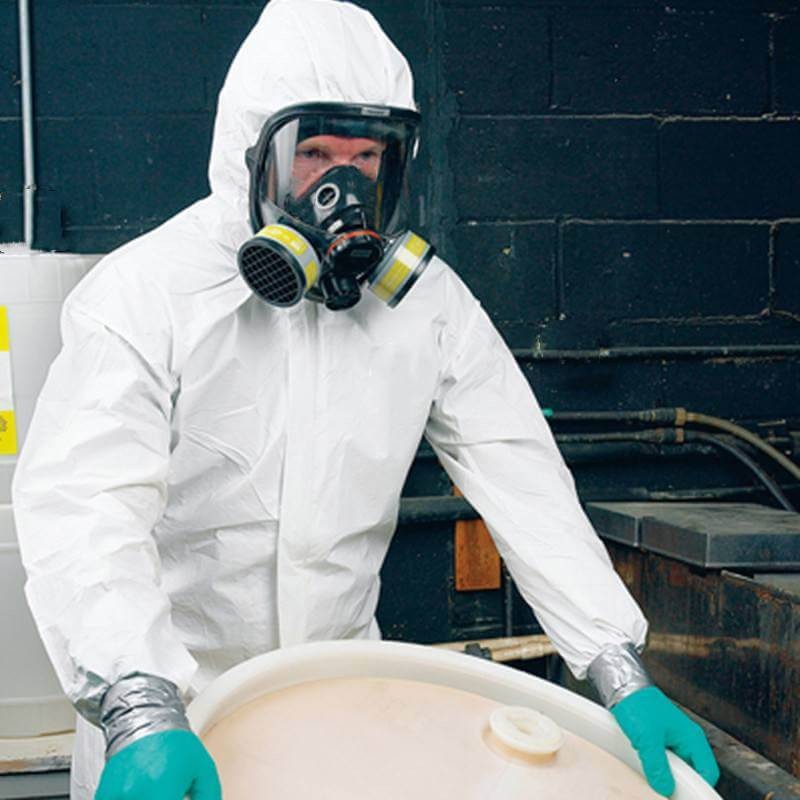
The term "gas mask suit" is a colloquialism. In professional contexts, there isn't a single formal name for this combination. Instead, it's referred to as a Personal Protective Equipment (PPE) ensemble or Chemical Protective Clothing (CPC) with Respiratory Protection. The specific configuration is categorized by the HAZMAT Protection Levels (A, B, C, D) established by organizations like the Occupational Safety and Health Administration (OSHA) and the Environmental Protection Agency (EPA). These levels dictate the type of respiratory protection and chemical protective clothing required for various hazardous environments.
Let's break down the components and formal classifications:
-
Protective Garment (The "Suit" Part):
- Fully Encapsulating Suit: Provides the highest level of protection, completely sealing the wearer from the outside environment. These are gas-tight and vapor-tight. (Characteristic of Level A).
- Non-Encapsulating Suit: Offers protection against splashes but does not fully seal the wearer from gases or vapors. (Characteristic of Level B and C).
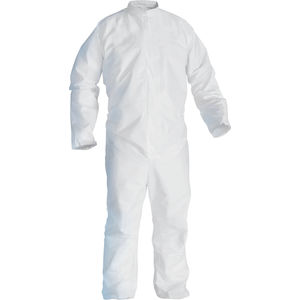
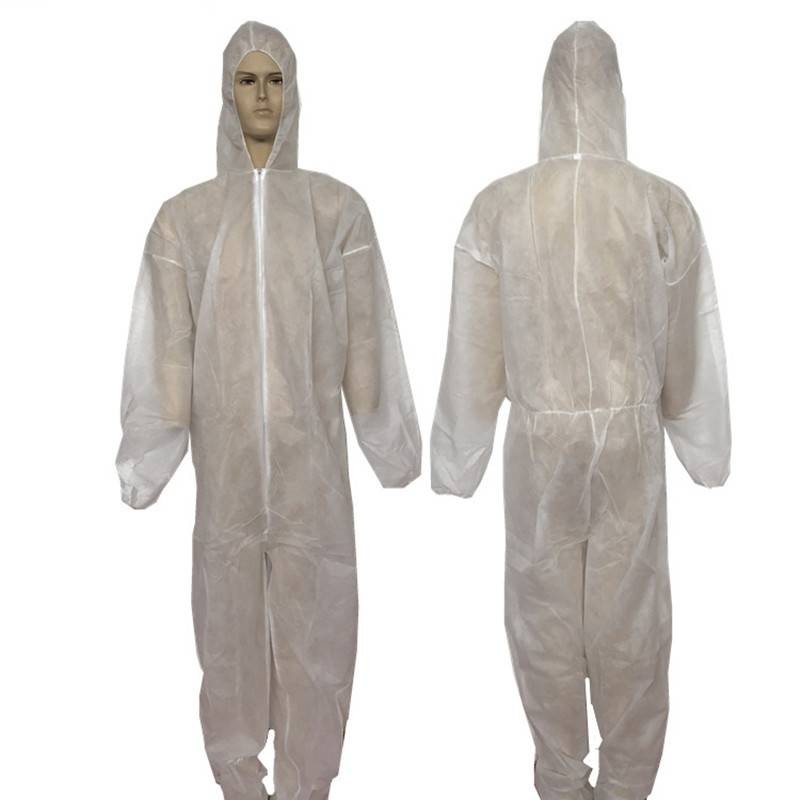
- Protective Coveralls: Less robust, offering minimal splash protection. (Characteristic of Level C and D).
-
Respiratory Protection (The "Gas Mask" Part):
-
Self-Contained Breathing Apparatus (SCBA): This is what most people envision when they think of a "gas mask suit." An SCBA provides an independent supply of breathable air (usually compressed air in a tank) to the user. It's essential for environments that are Immediately Dangerous to Life or Health (IDLH) or oxygen-deficient.
- Inside the Suit: For Level A protection, the SCBA is worn inside the fully encapsulating suit.
- Outside the Suit: For Level B protection, the SCBA is worn outside the splash-protective suit.
- Supplied Air Respirator (SAR): Air is supplied to the user via a hose from a remote, uncontaminated source. This is suitable for extended operations where mobility is less critical.
- Air-Purifying Respirator (APR) / Powered Air-Purifying Respirator (PAPR): These respirators filter contaminants from the ambient air through cartridges or filters. They are only safe to use when the type and concentration of the contaminant are known, and the oxygen level is sufficient. They are not suitable for IDLH environments.
-
Self-Contained Breathing Apparatus (SCBA): This is what most people envision when they think of a "gas mask suit." An SCBA provides an independent supply of breathable air (usually compressed air in a tank) to the user. It's essential for environments that are Immediately Dangerous to Life or Health (IDLH) or oxygen-deficient.
The HAZMAT Protection Levels:
- Level A: The highest level of protection. Requires a fully encapsulating, gas-tight, vapor-tight chemical protective suit with SCBA or SAR worn inside the suit. Protects against all skin, respiratory, and eye hazards.
- Level B: Provides the highest level of respiratory protection (SCBA or SAR worn outside the suit) but a lower level of skin protection than Level A (typically splash-resistant, not gas/vapor-tight). Used when the atmospheric hazard requires respiratory protection, but skin exposure is less critical or the suit material provides sufficient resistance.
- Level C: Requires an air-purifying respirator (APR/PAPR) and chemical-resistant clothing (e.g., splash-protective coveralls). Used when airborne contaminants are known, their concentrations are within the respirator's limits, and skin exposure is not a significant concern.
- Level D: The lowest level of protection, essentially a work uniform. No respiratory protection and minimal skin protection. Used when there are no known hazards.
Key Features, Materials, and Operational Considerations
Beyond the classification, several factors contribute to the effectiveness and safety of these protective ensembles:
- Materials: Suits are constructed from a variety of chemical-resistant materials, each chosen for its specific resistance to permeation and degradation by different chemicals. Common materials include butyl rubber, PVC, Tychem, Viton, and specialized laminates.
- Sealing and Integrity: For higher levels of protection, suits feature gas-tight zippers, sealed seams, and integrated gloves and boots (or chemical-resistant over-boots and gloves) to prevent any ingress of hazardous substances.
- Visibility: Bright colors like yellow, orange, or lime green are often chosen to enhance visibility in potentially chaotic or low-light environments, improving the safety of the wearer and facilitating team coordination.
- Communication Systems: Fully encapsulating suits often incorporate internal communication systems to allow responders to talk to each other and to command personnel outside the hot zone.
- Cooling Systems: Working in fully encapsulated suits, especially with SCBA, can lead to rapid heat stress. Cooling vests or other systems are often integrated to maintain core body temperature.
- Decontamination: After use, all hazmat suits and associated equipment must undergo rigorous decontamination procedures to remove hazardous residues before they can be safely removed or reused.
- Training: Proper donning, doffing, use, and maintenance of hazmat suits and respiratory protection require extensive training to ensure maximum safety and effectiveness.
Conclusion
The yellow hazmat suit, often seen with a prominent "gas mask," is far more than just a costume; it's a critical piece of life-saving equipment. Understanding that "yellow" often signifies Level B protection and that a "gas mask suit" is formally a sophisticated PPE ensemble categorized by HAZMAT protection levels (A, B, C, D) is crucial. These ensembles are meticulously designed, from their materials to their integrated respiratory systems, to provide a barrier against unseen dangers, allowing emergency responders to operate safely in the most hazardous environments. The knowledge and correct application of these protective systems are paramount to safeguarding human lives.