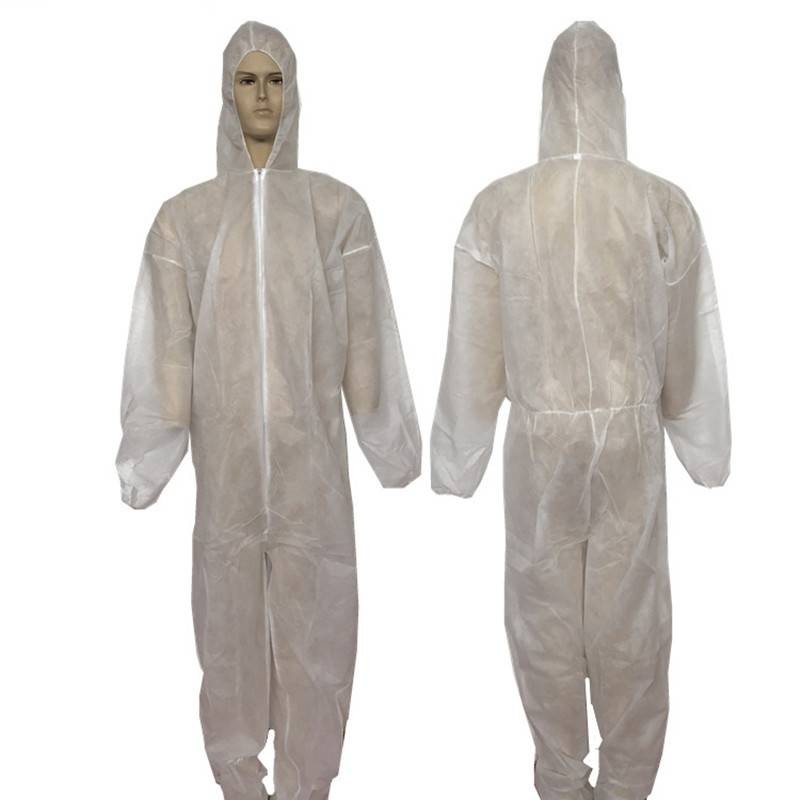
In the realm of personal protective equipment (PPE), disposable coveralls stand as a versatile and essential barrier, safeguarding workers and environments across a staggering range of industries. These single-piece, full-body garments, typically made from lightweight materials like polypropylene, polyethelene, or SMS (Spunbond-Meltblown-Spunbond), offer a critical layer of protection. Their "disposable" nature is key, ensuring contamination isn't carried from one site or task to another. Let's explore the diverse and vital uses of disposable coveralls:
1. Contamination Control: Keeping Hazards Out
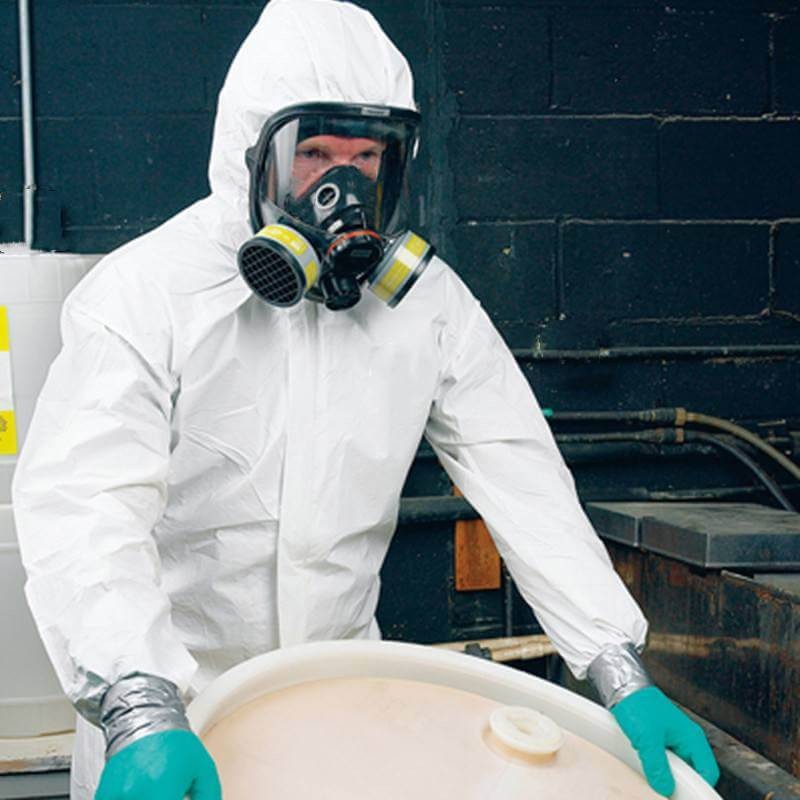
- Hazardous Materials (HAZMAT) & Chemical Handling: This is a primary function. Coveralls act as a crucial barrier against splashes, spills, dust, and aerosols of dangerous chemicals, acids, solvents, oils, and other industrial substances. They protect the wearer's skin and clothing from absorption, irritation, burns, and potential systemic toxicity. Tyvek® and other coated materials offer enhanced chemical resistance.
- Asbestos & Lead Abatement: During removal or remediation of these highly toxic materials, disposable coveralls are mandatory. They prevent inhalation of dangerous fibers or dust and stop contamination from spreading beyond the work area. Coveralls are discarded after use to prevent carrying hazardous particles home or elsewhere.
- Mold Remediation: Similar to asbestos, coveralls protect workers from inhaling or contacting harmful mold spores during cleanup operations in damp or water-damaged buildings.
- Pesticide Application & Agriculture: Farmers and pest control workers wear coveralls to shield themselves from direct skin contact with potentially harmful pesticides, herbicides, fertilizers, and animal-borne pathogens.
- Healthcare & Infection Control: In hospitals, clinics, and labs, coveralls (often classified as isolation gowns or suits) protect healthcare workers from exposure to bloodborne pathogens, bodily fluids, and infectious agents during procedures, outbreaks, or when handling contaminated materials. They also help prevent healthcare workers from transmitting infections between patients.
2. Contamination Prevention: Keeping Environments Clean
- Cleanrooms (Pharmaceuticals, Electronics, Aerospace): In environments demanding near-sterility or ultra-low particulate levels, disposable coveralls are essential. They prevent skin flakes, hair, fibers, and microorganisms shed by the wearer from contaminating sensitive processes, microchips, medical devices, or pharmaceuticals. Materials like SMS are common for breathability and particle filtration.
- Food Processing & Handling: Maintaining food safety is paramount. Coveralls prevent human hair, skin cells, fibers from street clothes, and potential contaminants from workers' bodies from entering food products during preparation, processing, and packaging. They are often white or light-colored for easy detection of any foreign material.
- Laboratories (Research, Quality Control): Protect delicate experiments, samples, and equipment from cross-contamination by human particles or residues. They also shield lab personnel from minor chemical splashes or biological samples.
3. Particulate & Dust Protection
- Construction & Demolition: Guard against nuisance dust, insulation fibers (like fiberglass), concrete dust, and general debris. While not always suitable for heavy-duty hazards like asbestos, they provide basic protection for less toxic dusts.
- Manufacturing: Protect workers from non-toxic dusts, powders, and debris generated during processes like sanding, grinding, or handling bulk materials.
- Painting & Surface Preparation: Prevent overspray, paint mist, and sanding dust from contaminating skin and clothing.
4. Emergency Response & Decontamination
- Disaster Relief & First Responders: Used by firefighters, search and rescue teams, and HAZMAT units during chemical spills, biological incidents, natural disasters (e.g., flood cleanup), or pandemics for rapid protection and easy decontamination (often simply removed and bagged).
- Decontamination Lines: Disposable coveralls are frequently used as part of decontamination procedures for personnel exiting contaminated zones, providing a clean outer layer after washing.
5. Convenience & Cost-Effectiveness
- Temporary or Infrequent Tasks: Ideal for contractors, maintenance personnel, or visitors who need protection for a specific short-term job without investing in expensive reusable gear.
- Sizing & Availability: Offer a quick solution for providing protection to workers of varying sizes or for unexpected needs.
- Reduced Laundering Costs: Eliminate the expense, logistics, and potential cross-contamination risks associated with laundering reusable protective clothing, especially for heavily soiled or contaminated garments.
- Assurance of Clean Gear: Every wearer starts with a fresh, uncontaminated garment.
Key Considerations When Using Disposable Coveralls
- Material Selection: Choose the material (polypropylene, SMS, coated fabrics) based on the specific hazard: liquid splash vs. dry particulate vs. chemical resistance vs. breathability.
- Fit & Seams: Ensure proper fit for comfort and safety. Seam construction (sewn, taped, sealed) matters for protection against fine particles or liquids.
- Standards: Look for coveralls rated to relevant safety standards (e.g., ANSI, OSHA, ISO, EN standards) for the intended hazard (e.g., chemical protection levels, particulate filtration efficiency, bloodborne pathogen resistance).
- Proper Donning & Doffing: Correct procedure is crucial to avoid self-contamination. Training is essential.
- Disposal: Follow proper hazardous or biohazard waste disposal protocols as required.
Conclusion
Far more than just simple suits, disposable coveralls are a fundamental component of modern safety and hygiene protocols. They provide an effective, convenient, and often cost-efficient barrier against a vast spectrum of hazards – from toxic chemicals and infectious diseases to damaging dusts and environmental contaminants. By preventing harm to workers and protecting sensitive environments and products, disposable coveralls play an indispensable role in safeguarding health, ensuring quality, and enabling safe operations across countless industries. Their proper selection and use are critical investments in safety and operational integrity.