Choosing Your Shield: A Guide to Disposable Coveralls from Polypropylene to SMS and Beyond

2025/10/22 11:18:29 person comment browse classification:Industry news

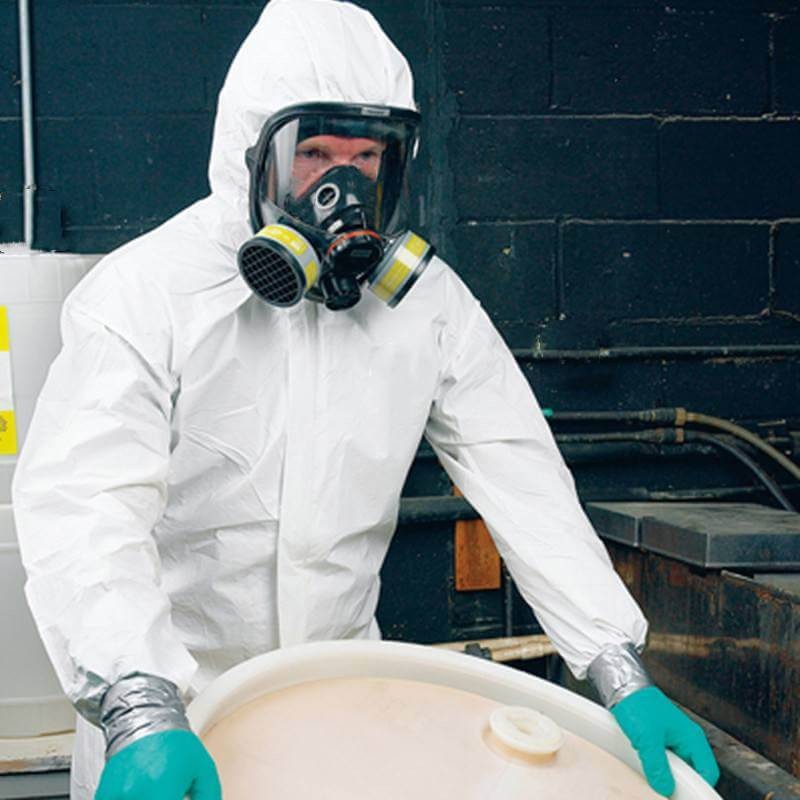
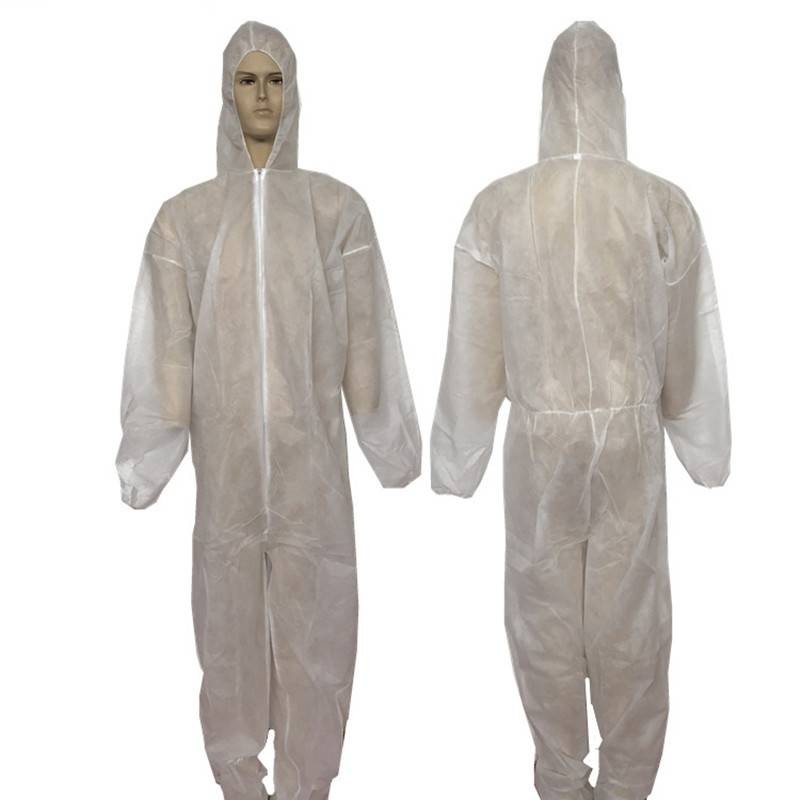
In workplaces across the globe, from pristine laboratories to dusty construction sites, an unsung hero of personal protective equipment (PPE) is hard at work: the disposable coverall. More than just a paper suit, these garments are engineered shields, designed to protect workers from hazards and to prevent contamination of sensitive products.

But with a confusing alphabet soup of materials like PP, SMS, and MPF, how do you choose the right one? Understanding the materials is the key to ensuring safety and comfort. This guide will demystify the world of disposable coveralls, helping you select the perfect shield for your task.

The Foundation: Spunbond Polypropylene (PP)

Think of Spunbond Polypropylene (PP) as the first line of defense. These are the most basic and breathable coveralls available. Made from a single layer of non-woven fabric, they are lightweight, comfortable, and excellent at what they do: providing a barrier against dirt, grime, and other non-hazardous dry particulates.

Choose PP coveralls for:

  • General cleaning and janitorial work
  • Food processing environments
  • Dusty workshops where no liquid hazards are present

Their major limitation is a near-total lack of liquid resistance. Like a paper towel, they will absorb any splash, making them unsuitable for work with liquids.

The All-Rounder: SMS (Spunbond-Meltblown-Spunbond)

Stepping up in protection brings us to SMS. This material is a clever three-layer sandwich. It features two durable outer layers of spunbond polypropylene for strength, which bookend a crucial inner layer of meltblown polypropylene. This middle layer is a dense web of microfibers that acts as a robust filter.

The result is a garment that offers the best of both worlds. It’s significantly stronger than basic PP and provides a reliable barrier against fine dust and, critically, light liquid splashes and non-hazardous sprays. While it sacrifices some of the extreme breathability of PP, it remains comfortable enough for extended wear.

Choose SMS coveralls for:

  • Automotive and general maintenance
  • Non-atomized paint spraying
  • Mold and asbestos abatement (check local regulations)
  • Light-duty cleaning with liquids

The Heavy-Duty Guardians: Microporous and Specialty Fabrics

When the risks escalate, so must the protection. Microporous Film Laminate (MPF) coveralls are built for superior performance against liquids. These garments consist of a non-woven polypropylene fabric bonded to a liquid-resistant, microporous film. This film contains microscopic pores that are large enough to let water vapor (sweat) escape but too small for liquid molecules to penetrate. This provides an excellent barrier against bloodborne pathogens, chemical splashes, and heavy paint sprays.

For the ultimate in strength and particle protection, many turn to brand names like Tyvek®. Made from flash-spun high-density polyethylene, this unique material is incredibly tough, difficult to tear, and provides an outstanding barrier against tiny hazardous particles like lead dust, silica, and radioactive contaminants.

Choose Microporous or Tyvek® for:

  • Chemical mixing and handling (always verify against specific chemicals)
  • Crime scene cleanup and emergency medical response
  • Pharmaceutical manufacturing
  • Heavy industrial applications and hazardous particle cleanup

Making the Right Choice: A Hazard-Based Approach

Selecting the best coverall isn't about picking the most expensive one; it's about matching the material to the mission. Before you buy, ask yourself these questions:

  1. What am I protecting against? Is it dry dust, a light mist, a potential splash, or a hazardous chemical?
  2. How important is breathability? Will I be working in a hot environment where heat stress is a concern?
  3. What physical stress will the suit endure? Does the job require crawling, climbing, or working around sharp objects?

To simplify your decision, use this table as a quick reference:

Material Protection Focus Breathability Key Application
Polypropylene (PP) Dry Particulates, Dirt Excellent Basic Cleaning
SMS Particles & Light Splashes Good General Maintenance
Microporous (MPF) Liquids & Pathogens Moderate Paint Spraying, Bio-Fluids
Tyvek® / PE Fine Particles & Strength Moderate Hazardous Dust, Heavy Duty

Conclusion: An Investment in Safety

A disposable coverall is more than just clothing; it's a critical safety device. Choosing the wrong material can lead to dangerous exposure or debilitating heat stress. By understanding the differences between polypropylene, SMS, and more advanced fabrics, you can make an informed decision that protects your health, ensures your comfort, and gets the job done safely. Always assess your risks, consider your environment, and choose your shield wisely.

Related information

In totalvisitors commented Netizens commentary

Verification Code: Can't see clearly?