Information category
Recommended information

Popularity ranking
- 10-09 1New type microporous coverall
- 01-27 2Ten years of departure, Hundred years of Guohong
- 03-12 3Important Notice about business email
- 09-21 4Happy Mid-autumn Festival
- 01-13 5Volcanic eruption causes serious air pollution In Manila, Philippines, citizens snap up face masks
- 12-24 6Merry Christmas and Happy New Year
- 10-17 7Disposable glove that is convenient to take
- 12-12 8Pe Plastic Film Gloves with new material
- 01-15 9Chinese Embassy Donates N95 Mask to Manila City Goverment
- 11-21 10New Style dust-proof bouffant cap
Related information
-
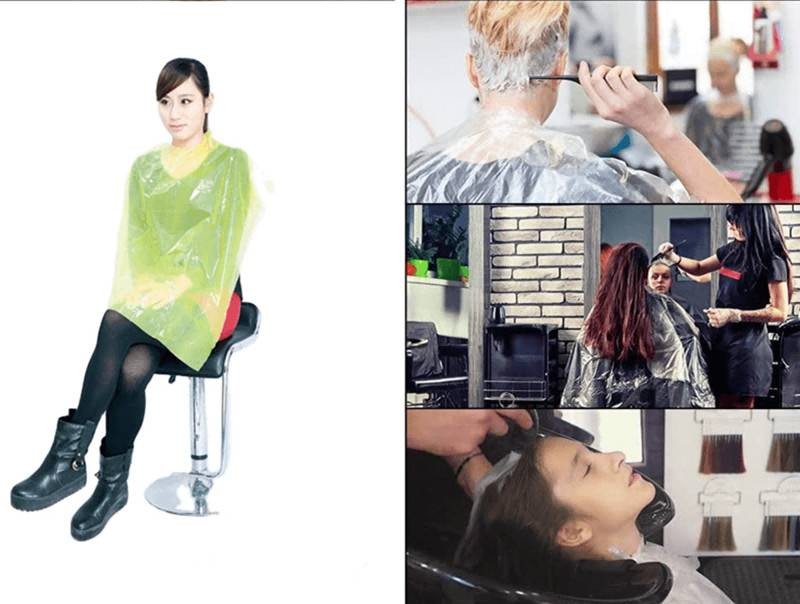
A Salon Professional Disposable Cape for Hair Treatments
A Salon Professional Disposable Barber Cape is designed to provide hygienic and convenient protection during various hair care procedures.
2024/11/25 11:24:59 -
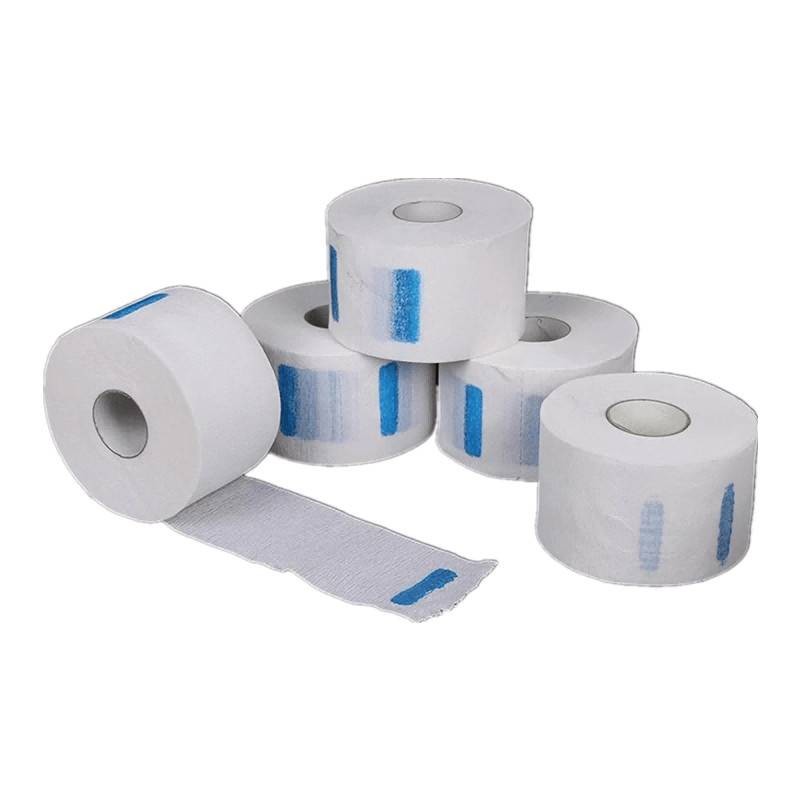
Why do barbers put white strips around your neck?
The disposable barber neck paper strips play a vital role in the grooming experience.
2024/11/19 13:26:41 -
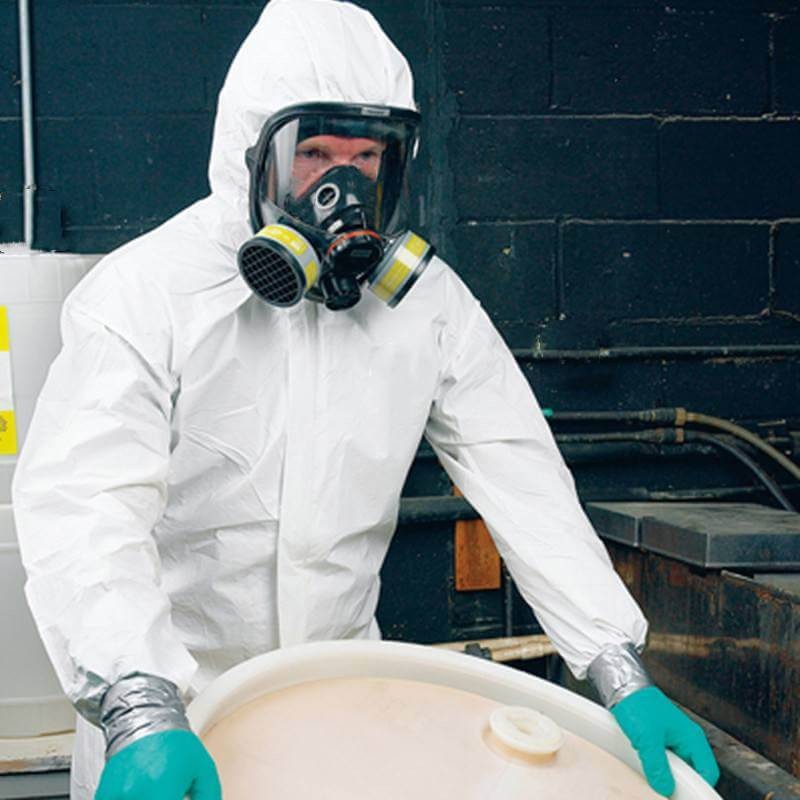
Manufacturing Process of Nonwoven Disposable Coverall
Disposable coveralls are mainly used in industries with high hygiene requirements, such as medical, food processing, and chemical industries.
2024/11/15 15:53:16 -
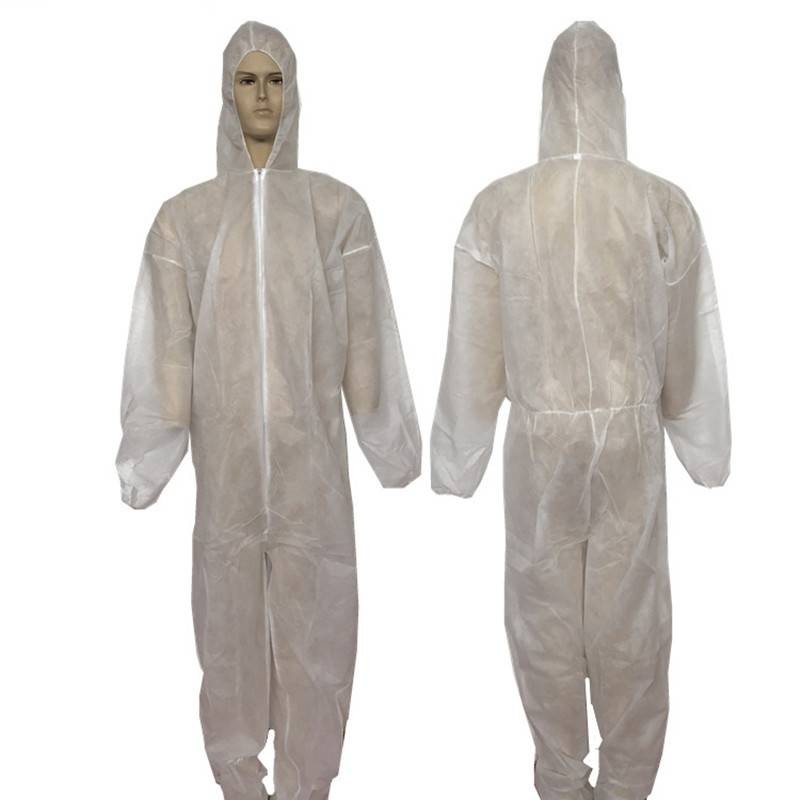
Key Features of Lightweight Nonwoven Disposable Coveralls
Lightweight nonwoven disposable coveralls are an essential part of personal protective equipment in the workplace.
2024/11/13 14:17:39