
Why choose Disposable Lightweight Polypropylene coverall?
Lightweight and convenient:
Disposable Lightweight Polypropylene coverall's lightweight properties have a significant impact on work efficiency. Compared with traditional protective clothing, it is made of lightweight polypropylene material, allowing the wearer to work more easily and flexibly.
This is especially important for work scenarios that require frequent movement or flexibility, such as medical personnel who need to move quickly through a hospital, or chefs in the food service industry who need to maneuver in a busy kitchen. The lightweight design not only improves worker comfort but also helps improve work efficiency and productivity.
Convenient and fast cleaning process:
Simplify the cleaning process for greater efficiency with Disposable Lightweight Polypropylene coverall. Traditional protective clothing usually requires a tedious cleaning and disinfection process, which consumes a lot of time and energy. Disposable lightweight polypropylene protective coverall can be discarded directly after use without the need for cleaning and disinfection, eliminating the need for cleaning work.
In addition, the cleaning process of Disposable Lightweight Polypropylene coveralls is more straightforward. Users simply dispose of worn protective clothing directly into the trash without the need for additional cleaning tools or disinfectants. This not only reduces the complexity of the cleaning process but also reduces the risk of cross-infection during the cleaning process, further ensuring the hygiene and safety of the working environment.
Reduce workload:
The disposable Lightweight Polypropylene coverall's lightweight design helps reduce the workload of those working in medical facilities and the food industry. Wearing heavy protective clothing for a long time will increase the physical exertion of workers, easily lead to fatigue and discomfort, and affect work efficiency and work quality. The lightweight Disposable Lightweight Polypropylene coverall can reduce this burden, allowing workers to maintain better status and energy during long hours of work, and improve work efficiency.
In general, choosing Disposable Lightweight Polypropylene coverall can not only enjoy a lightweight and comfortable wearing experience, but also simplify the cleaning process, improve work efficiency, and effectively reduce the workload of workers, bringing greater convenience to practitioners in medical facilities and the food industry. Good work experience and safety.
Information category
Recommended information
Popularity ranking
- 10-09 1New type microporous coverall
- 01-27 2Ten years of departure, Hundred years of Guohong
- 03-12 3Important Notice about business email
- 09-21 4Happy Mid-autumn Festival
- 01-13 5Volcanic eruption causes serious air pollution In Manila, Philippines, citizens snap up face masks
- 12-24 6Merry Christmas and Happy New Year
- 12-12 7Pe Plastic Film Gloves with new material
- 10-17 8Disposable glove that is convenient to take
- 01-15 9Chinese Embassy Donates N95 Mask to Manila City Goverment
- 11-21 10New Style dust-proof bouffant cap
Related information
-
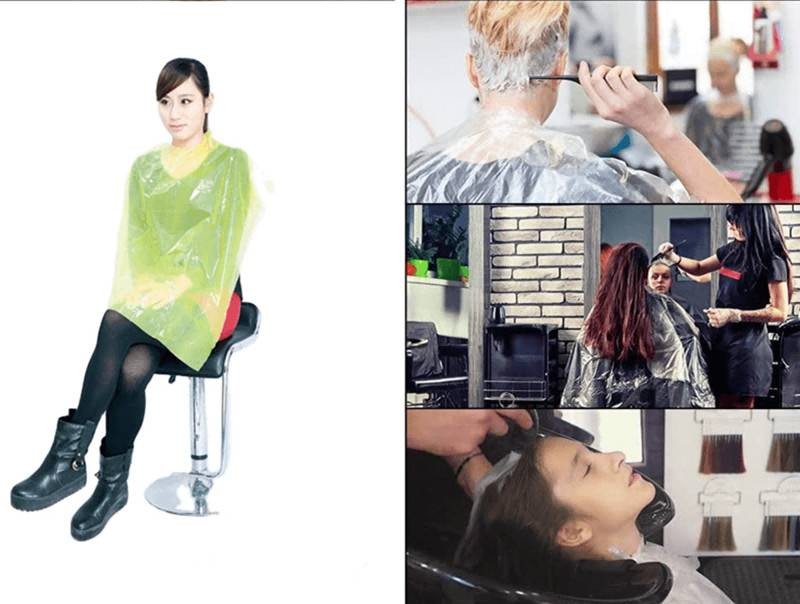
A Salon Professional Disposable Cape for Hair Treatments
A Salon Professional Disposable Barber Cape is designed to provide hygienic and convenient protection during various hair care procedures.
2024/11/25 11:24:59 -
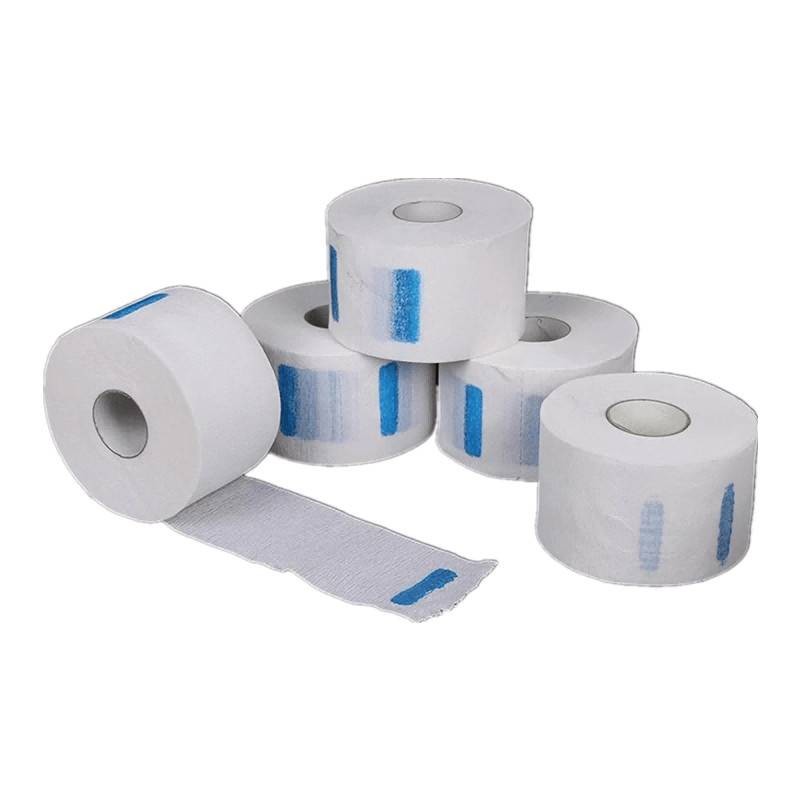
Why do barbers put white strips around your neck?
The disposable barber neck paper strips play a vital role in the grooming experience.
2024/11/19 13:26:41 -
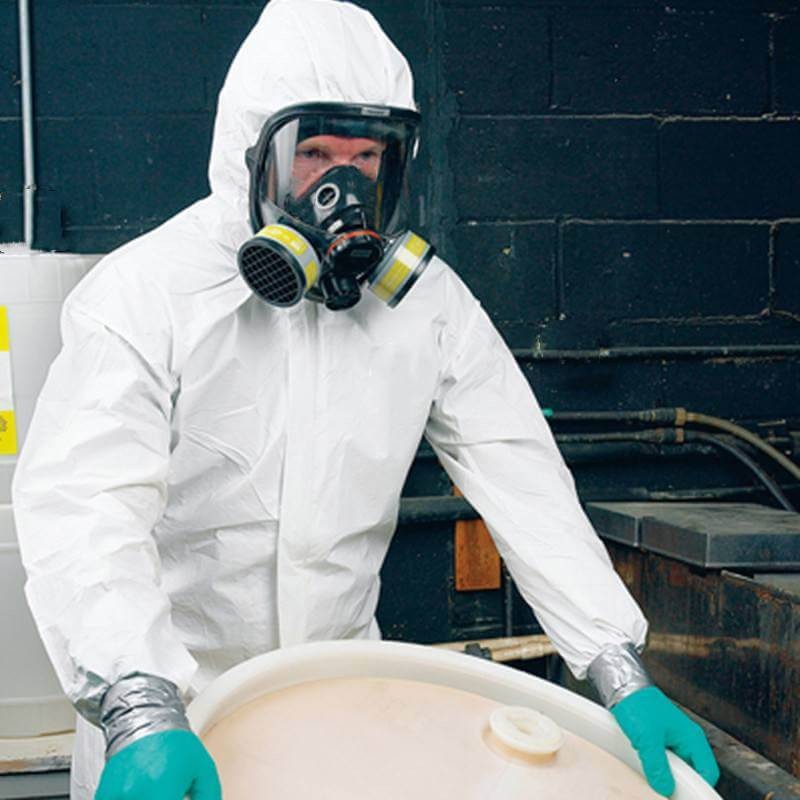
Manufacturing Process of Nonwoven Disposable Coverall
Disposable coveralls are mainly used in industries with high hygiene requirements, such as medical, food processing, and chemical industries.
2024/11/15 15:53:16 -
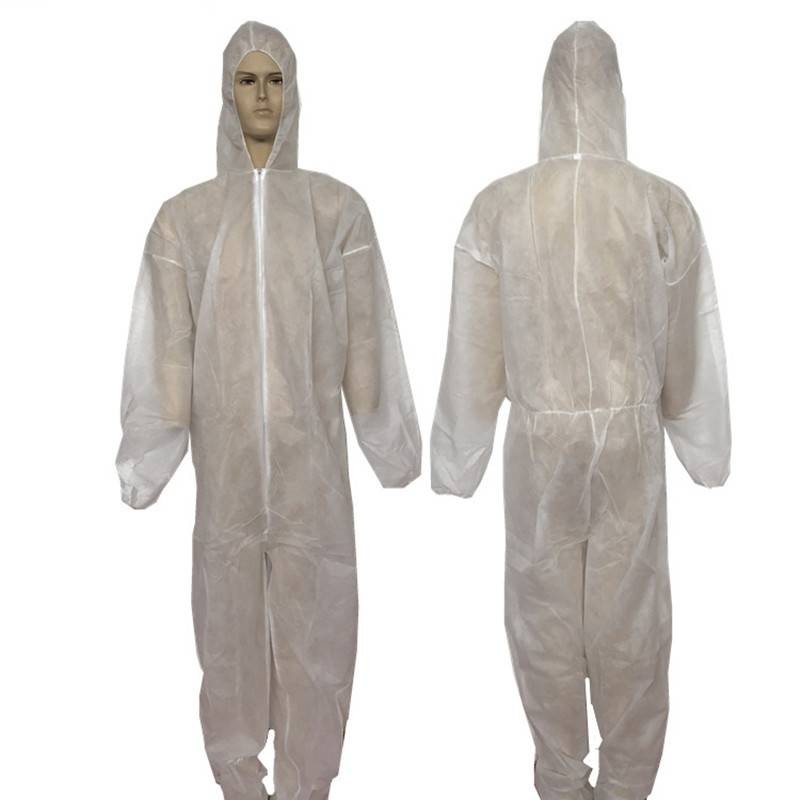
Key Features of Lightweight Nonwoven Disposable Coveralls
Lightweight nonwoven disposable coveralls are an essential part of personal protective equipment in the workplace.
2024/11/13 14:17:39