
Disposable lab coats have become important protective equipment in modern laboratories with their excellent protective performance, convenient use experience, and economic benefits. With the continuous improvement of laboratory safety and hygiene requirements, the trend of using disposable lab coats will become increasingly obvious.
To maximize the functions of disposable lab coats, we must first use disposable lab coats correctly to avoid cross-infection and other unexpected situations.
1. Wear correctly:
Check the coat's fit after wearing it, and ensure that the cuffs, collar, and hem are completely fitted to avoid exposing parts.
2. Avoid cross-contamination:
Avoid using the same coat when handling different materials or chemicals to prevent cross-contamination. Try to avoid touching the outside of the coat with your hands, especially after handling contaminants, and ensure that your hands are clean.
3. Replace in time:
Check the condition of the coat regularly. If there is obvious dirt, damage, or contamination, it should be replaced immediately. Try to avoid exceeding the recommended service life of the coat or using it multiple times, especially in high-risk environments.
4. Proper handling and disposal:
Handle the coat by workplace regulations and local waste disposal requirements, and avoid random disposal. When discarding the coat, make sure it does not come into contact with other items to avoid secondary contamination.
5. Follow safety regulations:
Receive necessary training to understand how to correctly select and use disposable lab coats to ensure safe operation.
By understanding the precautions of disposable lab coats, you can better select and use them, and disposable lab coats are gradually becoming standard protective equipment in laboratories.
Information category
Recommended information
Popularity ranking
- 10-09 1New type microporous coverall
- 01-27 2Ten years of departure, Hundred years of Guohong
- 03-12 3Important Notice about business email
- 09-21 4Happy Mid-autumn Festival
- 01-13 5Volcanic eruption causes serious air pollution In Manila, Philippines, citizens snap up face masks
- 12-24 6Merry Christmas and Happy New Year
- 12-12 7Pe Plastic Film Gloves with new material
- 10-17 8Disposable glove that is convenient to take
- 01-15 9Chinese Embassy Donates N95 Mask to Manila City Goverment
- 11-21 10New Style dust-proof bouffant cap
Related information
-
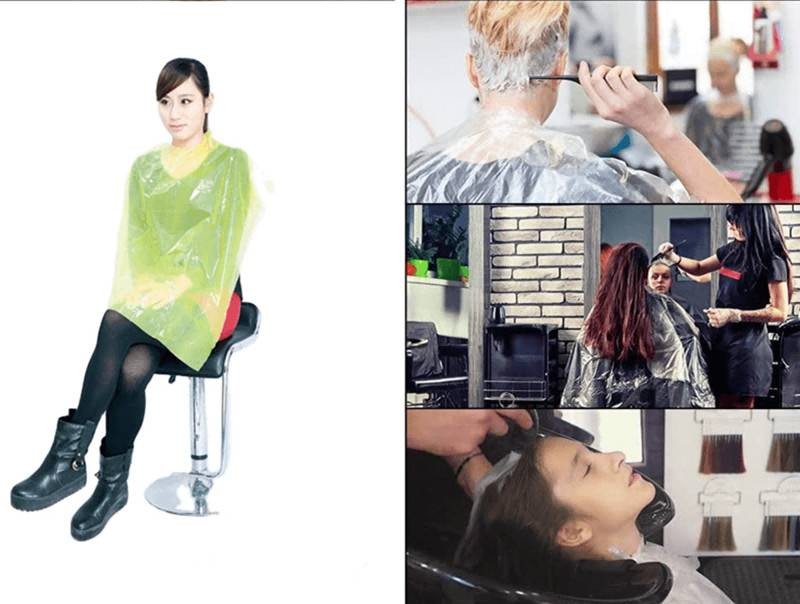
A Salon Professional Disposable Cape for Hair Treatments
A Salon Professional Disposable Barber Cape is designed to provide hygienic and convenient protection during various hair care procedures.
2024/11/25 11:24:59 -
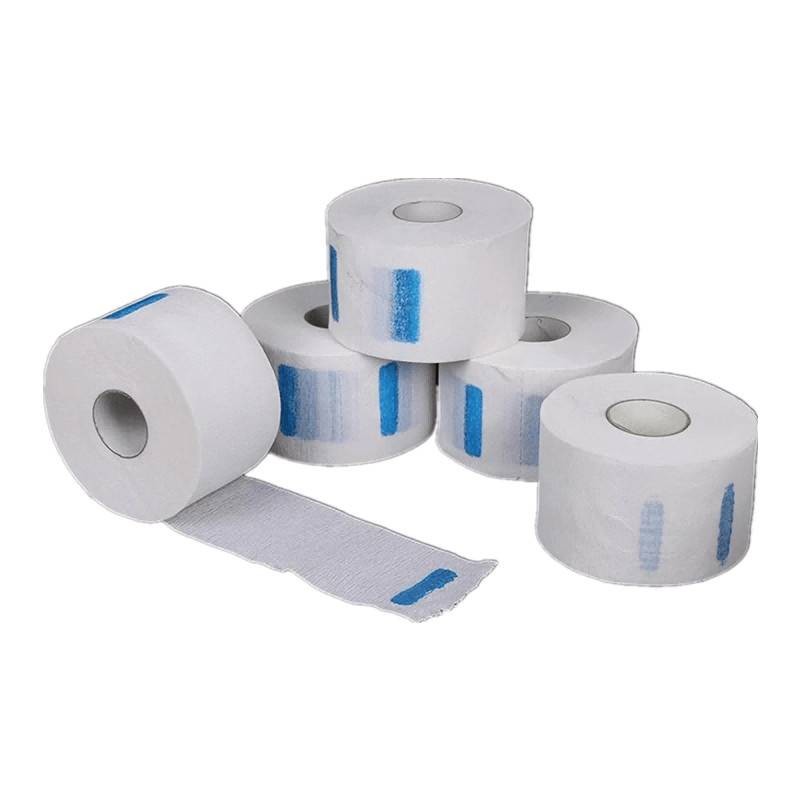
Why do barbers put white strips around your neck?
The disposable barber neck paper strips play a vital role in the grooming experience.
2024/11/19 13:26:41 -
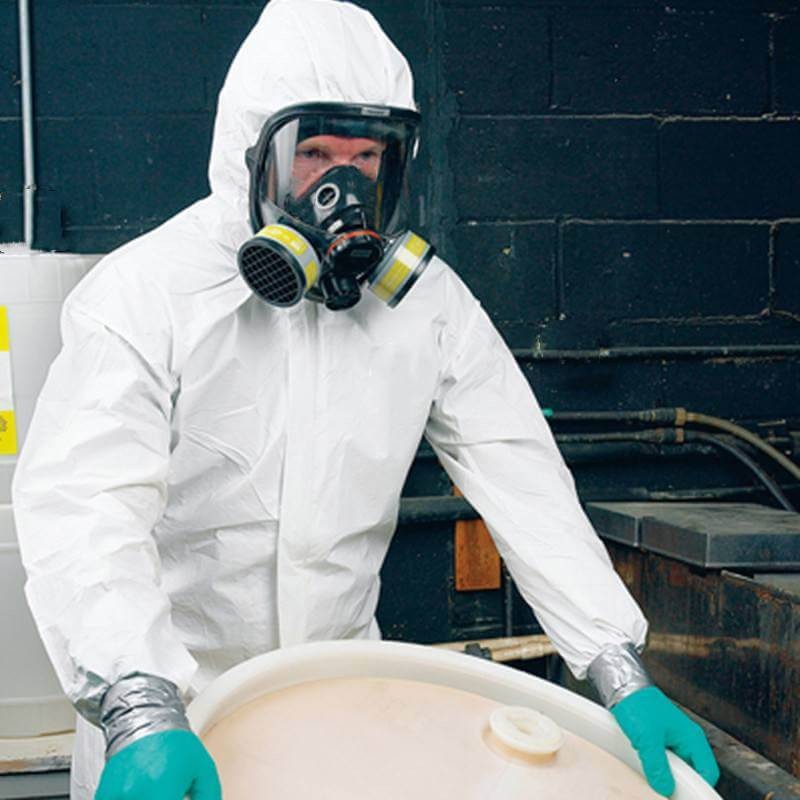
Manufacturing Process of Nonwoven Disposable Coverall
Disposable coveralls are mainly used in industries with high hygiene requirements, such as medical, food processing, and chemical industries.
2024/11/15 15:53:16 -
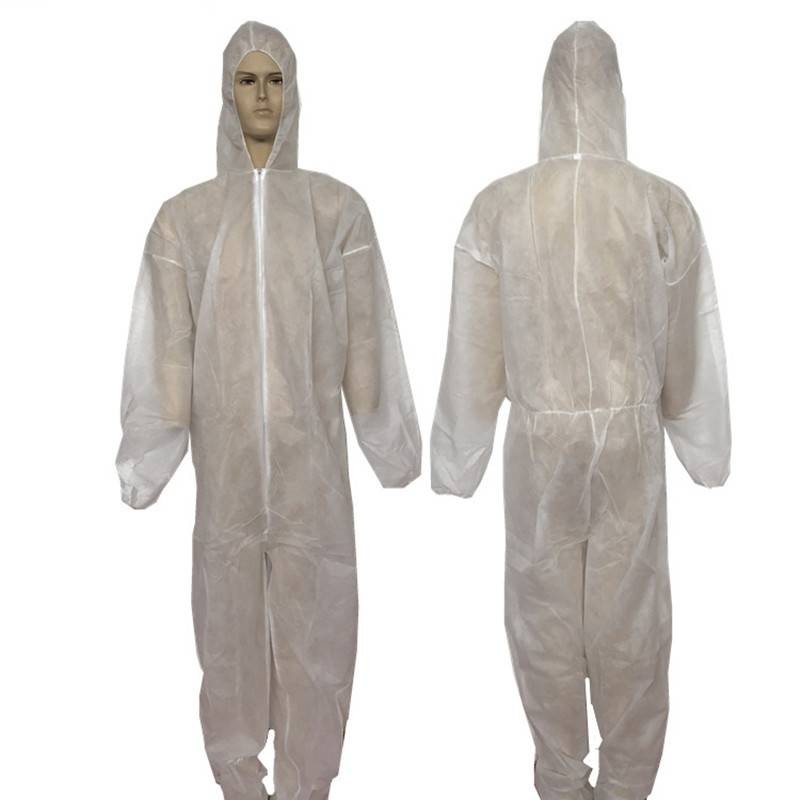
Key Features of Lightweight Nonwoven Disposable Coveralls
Lightweight nonwoven disposable coveralls are an essential part of personal protective equipment in the workplace.
2024/11/13 14:17:39