
Personal protective equipment plays a vital role in various environments of modern work. Whether it is the medical industry, food service, industrial field, or laboratory research, ensuring the safety and health of workers is inseparable from the right protective equipment. Among these protective equipment.
Definition of aprons
1. PE aprons are an important part of personal protective equipment (PPE), providing protection for the front of the body (including the chest, abdomen, and legs) from hazards such as spills, splashes, and debris, and protecting the wearer's clothing.
2. Disposable PE aprons are lightweight aprons made of polyethylene material, which are durable and tear-resistant, very reliable, and stable.
3. Disposable PE aprons are waterproof, oil-proof, anti-fouling and chemical-resistant.
4. PE aprons are disposable products and can be discarded directly after use, saving the cost of cleaning and maintenance.
Disposable PE aprons play an important role in personal protective equipment. They not only provide basic protection functions but also improve work efficiency and protect hygiene. Whether in food service, healthcare, labs, or domestic cleaning, they are essential tools for high standards of hygiene and safety.
If you are looking for simple and cost-effective barrier protection, our standard PE aprons are an excellent choice. Available in a variety of colors and custom sizes.
Information category
Recommended information
Popularity ranking
- 10-09 1New type microporous coverall
- 01-27 2Ten years of departure, Hundred years of Guohong
- 03-12 3Important Notice about business email
- 09-21 4Happy Mid-autumn Festival
- 01-13 5Volcanic eruption causes serious air pollution In Manila, Philippines, citizens snap up face masks
- 12-24 6Merry Christmas and Happy New Year
- 12-12 7Pe Plastic Film Gloves with new material
- 10-17 8Disposable glove that is convenient to take
- 01-15 9Chinese Embassy Donates N95 Mask to Manila City Goverment
- 11-21 10New Style dust-proof bouffant cap
Related information
-
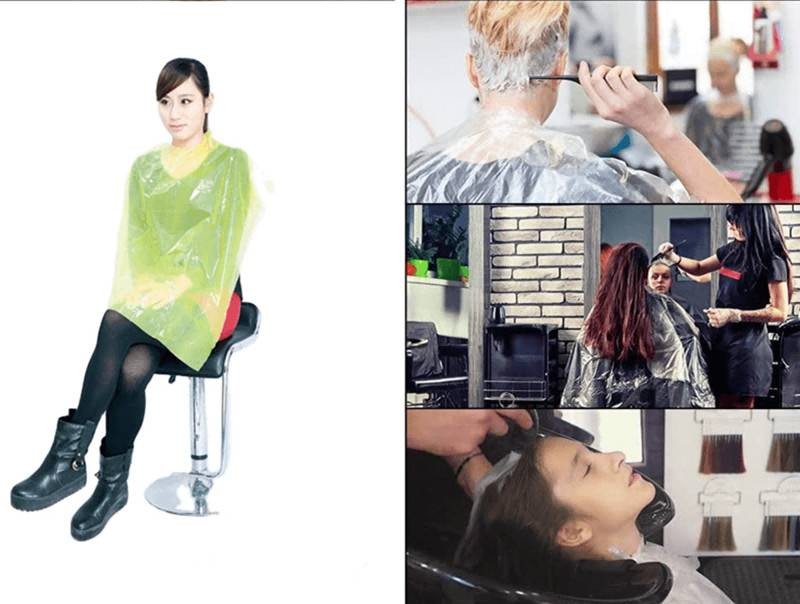
A Salon Professional Disposable Cape for Hair Treatments
A Salon Professional Disposable Barber Cape is designed to provide hygienic and convenient protection during various hair care procedures.
2024/11/25 11:24:59 -
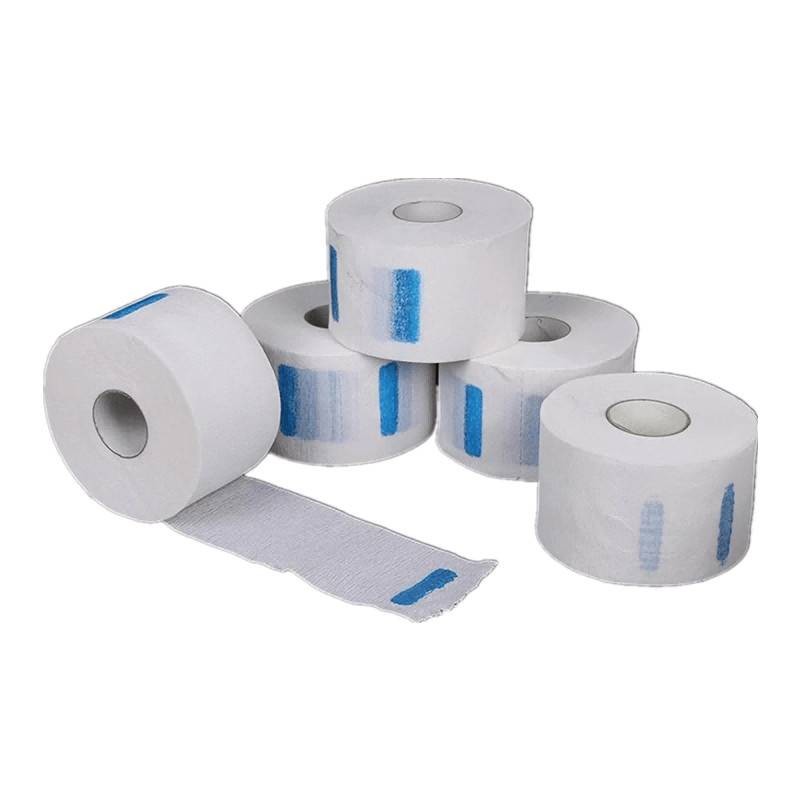
Why do barbers put white strips around your neck?
The disposable barber neck paper strips play a vital role in the grooming experience.
2024/11/19 13:26:41 -
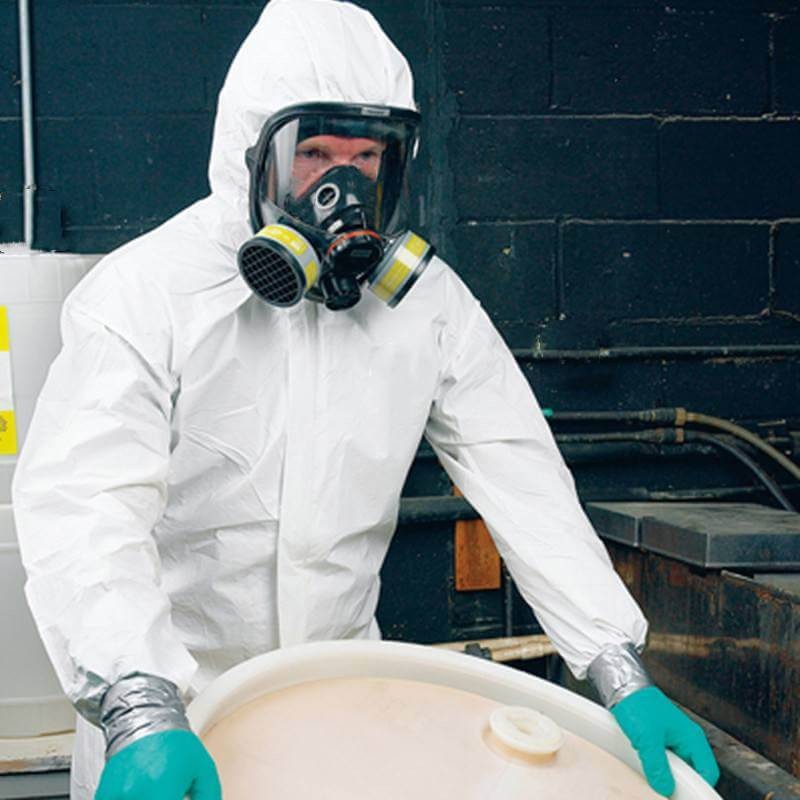
Manufacturing Process of Nonwoven Disposable Coverall
Disposable coveralls are mainly used in industries with high hygiene requirements, such as medical, food processing, and chemical industries.
2024/11/15 15:53:16 -
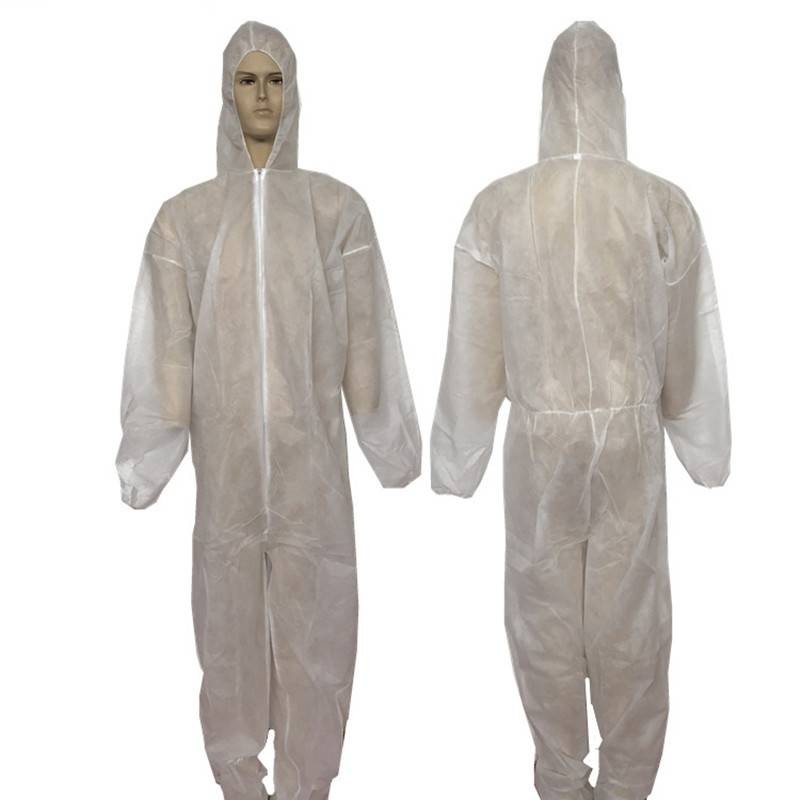
Key Features of Lightweight Nonwoven Disposable Coveralls
Lightweight nonwoven disposable coveralls are an essential part of personal protective equipment in the workplace.
2024/11/13 14:17:39