
Prevent the New coronavirus 2019,the correct process of putting on protective clothing microporous coverall
The first step: wash your hands.
1.Under running water, make your hands fully wet.
2. Take an appropriate amount of soap and apply evenly to the entire palm, back of the hand, fingers and finger joints.
3. Carefully rub your hands for at least 15 seconds. Should pay attention to wash all the skin of the hands, including the back, fingertips and fingers.
Wash hands thoroughly under running water, dry with disposable paper towels,take the appropriate amount of hand-care liquid skin care. Non-inductive taps use disposable paper towel switch faucet.
Step 2: Wear a disposable isolation clip cap and be careful not to touch your face with your hands when wearing the cap.
1.The lady pulls the long hair behind her head into a bun beforehand and combs her bangs upwards.
2. Put the hat on the head from the forehead or the back of the head, and try not to expose the hair.
Step 3: Wear an N95 mask.
1, Pull the mask strap every 2-4cm pull loose.
2,one hand holding the disposable face mask, wearing a mask and place the mask fixing strap on the top of the head and behind the head with the other hand.
3, Press the mask on the edge of the metal strip so that the mask suitable for their own face shape.
3. Press the metal strip on the side of the mask to make the mask fit your face shape.
Check the airtightness of the mask, as follows: tap the mask, deep breath. When airing is required, the gas does not leak from the edge of the mask, and the center of the mask is slightly dented when inhaling.
Step 4: Wear Microporous coverall
1,open the protective clothing, check whether damage, pull the zipper.
2, While holding the protective clothing conjoined cap and sleeves with your left and right hands, grasp the zipper opening at the waist of the protective clothing to avoid contact with the ground.
3,Put on the bottom clothes first, then put on the top, and then pull the zipper to the chest, and then buckle the joint cap on the head, and after the zipper is fully closed, seal the zipper buckle. Check the tightness of the joint of the mask and protective clothing.
Step 5: Wear goggles.
1,Hold the lens body in one hand and place the goggles on the eyes;
2, the other hand will be elastic strap pulled to the back of the head fixed, so that the lower edge of the glasses and the mask are as closely as possible.
Note: 1. Do not touch the face with your hands; 2. Check whether there are any exposed parts on the face.
Step 6: Wear the first layer of disposable latex gloves, and cover the cuffs of the protective clothing on the latex gloves. Wear a second layer of latex gloves (the steriliser wears long rubber gloves), and tie the cuffs of the protective clothing with gloves.
Step 7: Wear long rubber shoes or disposable protective shoe covers.
1. If you choose to wear long rubber shoes, cover the trousers of the protective clothing outside the latex boots.
2. If you choose to wear disposable protective shoe covers, stick the trousers of the protective clothing into the shoe covers.
Step 8: Team members check each other's protective clothing.
Information category
Recommended information
Popularity ranking
- 10-09 1New type microporous coverall
- 01-27 2Ten years of departure, Hundred years of Guohong
- 03-12 3Important Notice about business email
- 09-21 4Happy Mid-autumn Festival
- 01-13 5Volcanic eruption causes serious air pollution In Manila, Philippines, citizens snap up face masks
- 12-24 6Merry Christmas and Happy New Year
- 12-12 7Pe Plastic Film Gloves with new material
- 10-17 8Disposable glove that is convenient to take
- 01-15 9Chinese Embassy Donates N95 Mask to Manila City Goverment
- 11-21 10New Style dust-proof bouffant cap
Related information
-
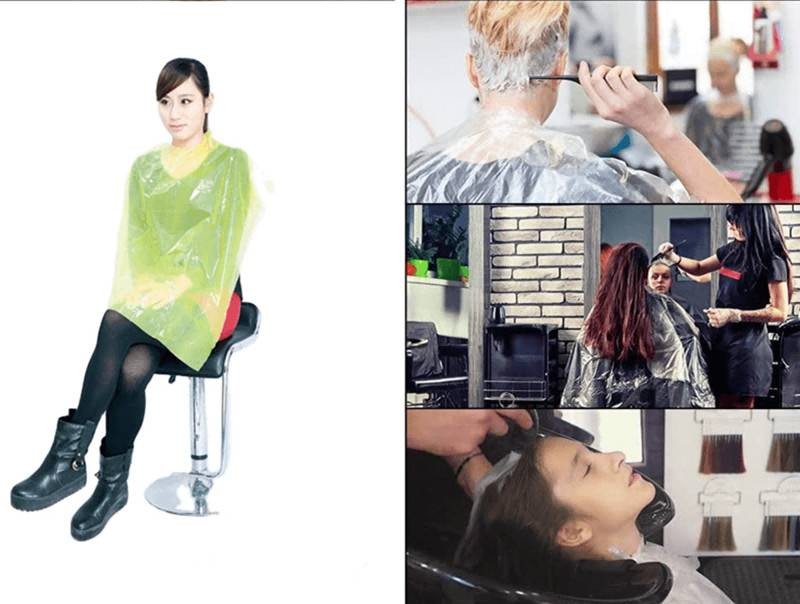
A Salon Professional Disposable Cape for Hair Treatments
A Salon Professional Disposable Barber Cape is designed to provide hygienic and convenient protection during various hair care procedures.
2024/11/25 11:24:59 -
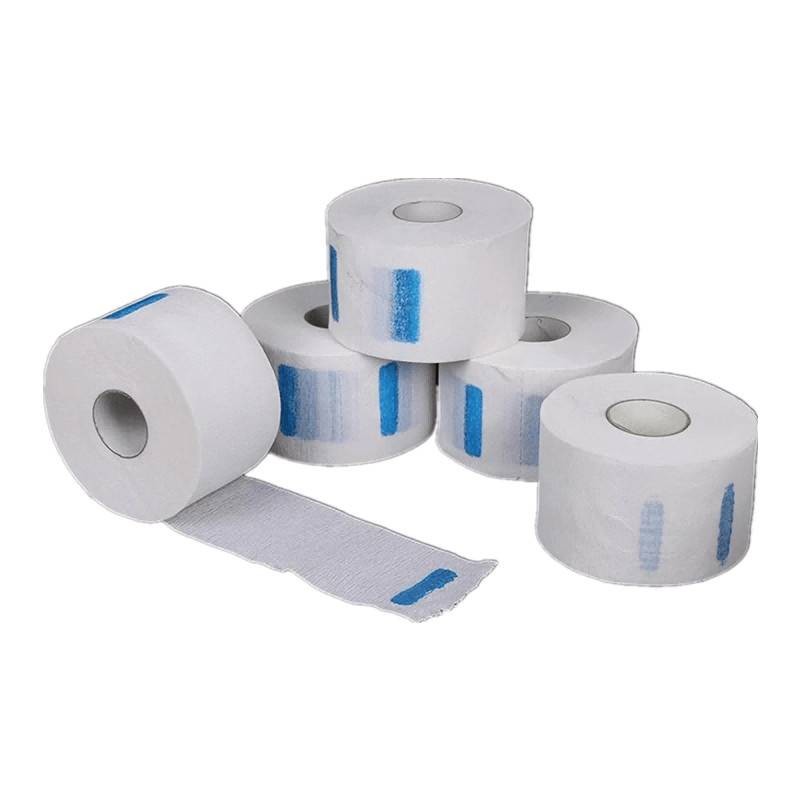
Why do barbers put white strips around your neck?
The disposable barber neck paper strips play a vital role in the grooming experience.
2024/11/19 13:26:41 -
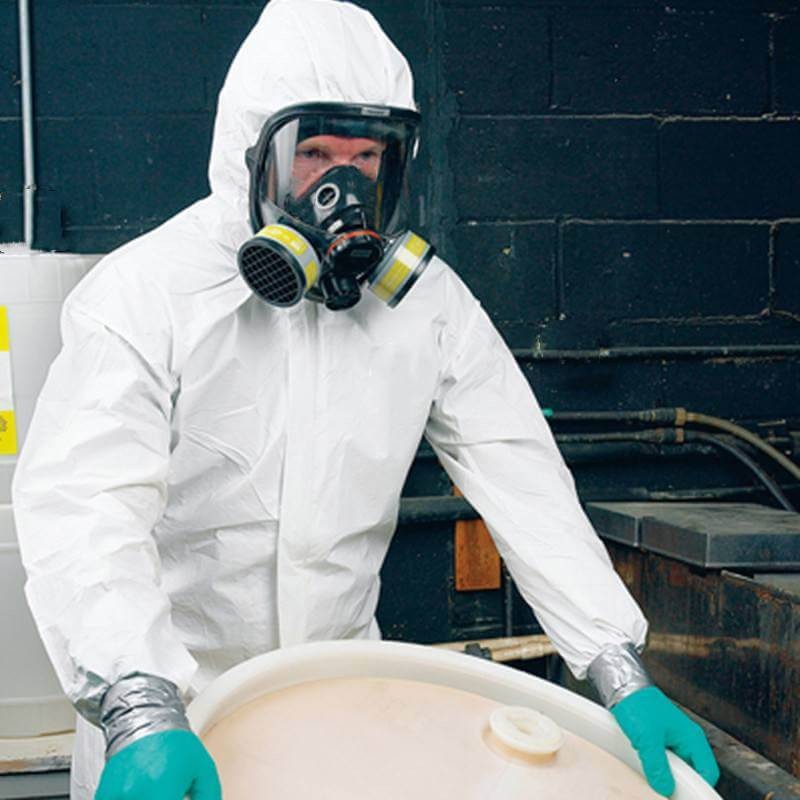
Manufacturing Process of Nonwoven Disposable Coverall
Disposable coveralls are mainly used in industries with high hygiene requirements, such as medical, food processing, and chemical industries.
2024/11/15 15:53:16 -
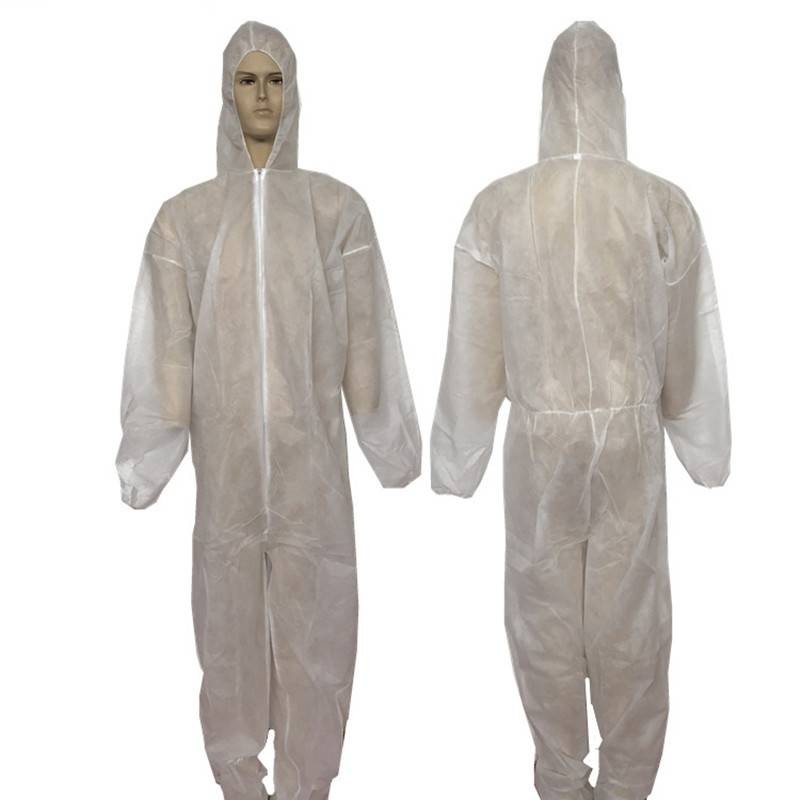
Key Features of Lightweight Nonwoven Disposable Coveralls
Lightweight nonwoven disposable coveralls are an essential part of personal protective equipment in the workplace.
2024/11/13 14:17:39