Complete Guide to Disposable Protective Clothing for Industrial and Healthcare Applications

2026/6/5 14:44:37 person comment browse classification:Industry news

Disposable Protective Clothing Guide for Industrial Medical and Commercial Applications

The Complete Guide to Disposable Protective Clothing

Learn how to select disposable protective clothing for healthcare, manufacturing, laboratories, food processing, cleanrooms, and industrial workplaces. This guide covers coverall types, materials, standards, applications, and sourcing considerations.

Who Should Read This Guide?

If you are responsible for sourcing protective apparel for healthcare facilities, industrial operations, laboratories, food processing plants, or distribution businesses, selecting the right disposable protective clothing is critical.

Many buyers focus primarily on price, only to discover later that garments do not meet required standards, fail compliance inspections, or create discomfort for workers.

This guide is for:

  • PPE distributors
  • Industrial safety buyers
  • Medical supply importers
  • Procurement managers
  • Laboratory operators
  • Food processing companies
  • Government and institutional purchasers

Understanding materials, standards, and protection levels will help make informed purchasing decisions.


Types of Disposable Protective Clothing

Disposable Coveralls

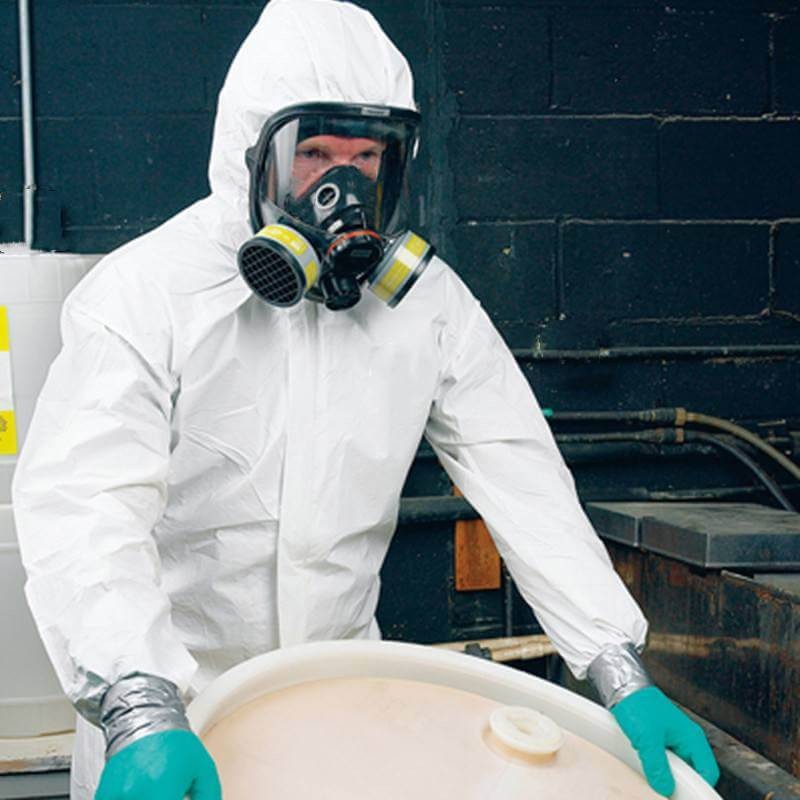
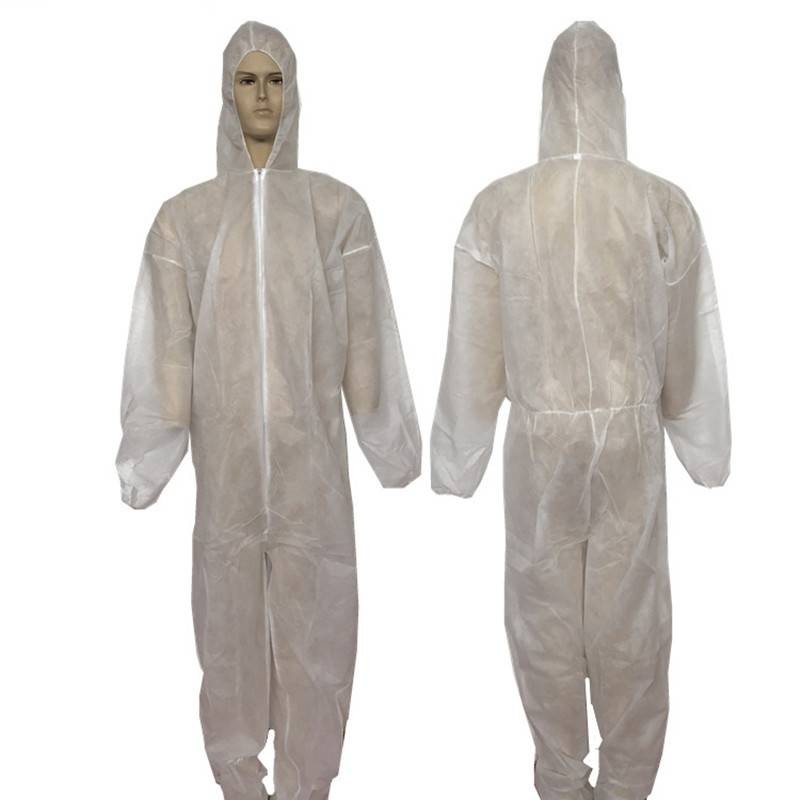
Full-body protection covering the torso, arms, legs, hood, and sometimes feet. Disposable coveralls are widely used in industrial manufacturing, chemical handling, healthcare environments, pharmaceutical production, and hazardous waste management.

Related Reading: Type 5 vs Type 6 Coveralls: What's the Difference?

Isolation Gowns

Isolation gowns are commonly used in healthcare settings to reduce the transmission of infectious materials between patients and medical personnel.

Related Reading: Isolation Gown vs Surgical Gown

Lab Coats

Disposable lab coats offer lightweight protection against non-hazardous particles and minor liquid exposure.

Disposable Aprons

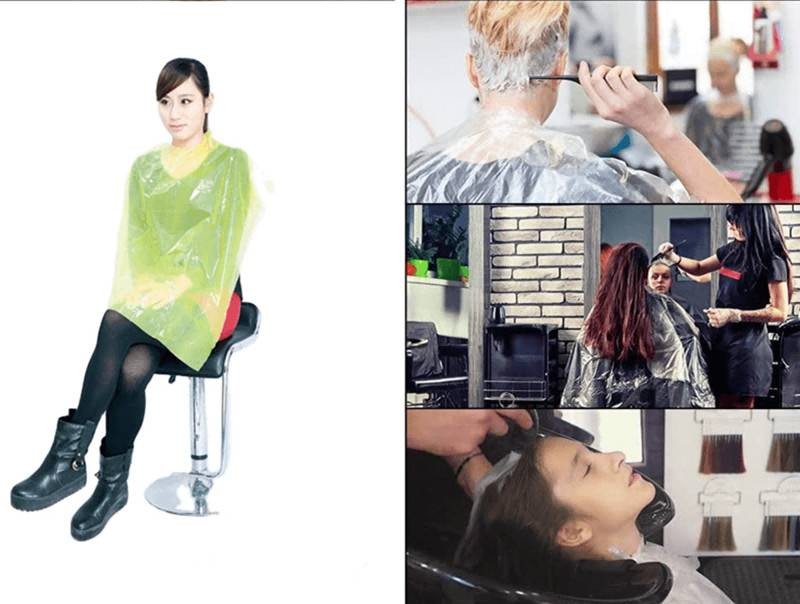
Disposable aprons are widely used in food processing, catering, hygiene-sensitive production environments, and commercial kitchens.


Understanding Protective Clothing Materials

Polypropylene (PP)

Polypropylene nonwoven fabric offers breathability, lightweight comfort, and basic particle protection. It is commonly used for visitor gowns and low-risk protective garments.

SMS Fabric

SMS stands for Spunbond-Meltblown-Spunbond. This multilayer construction improves barrier performance while maintaining wearer comfort.

Microporous Film Laminated Fabric

Microporous materials provide excellent particle protection, liquid splash resistance, and enhanced comfort. They are widely used in Type 5 and Type 5/6 coveralls.

Related Reading: Microporous Coveralls vs SMS Coveralls


Understanding Protective Clothing Standards

EN ISO 13982-1 (Type 5)

Designed to protect against airborne hazardous solid particles. Frequently used in asbestos removal, powder handling, and pharmaceutical manufacturing environments.

EN 13034 (Type 6)

Provides limited protection against light liquid splashes and sprays. Many disposable coveralls combine both Type 5 and Type 6 certifications.

EN 14126

Specifies requirements for protective clothing against infective agents and is commonly applied in healthcare and biological-risk environments.

Related Reading: Protective Clothing Standards Explained


Industry Applications

Healthcare and Medical Facilities

Isolation gowns, coveralls, face masks, and shoe covers help reduce contamination and exposure risks.

Industrial Manufacturing

Workers are frequently exposed to dust, fibers, paint particles, and chemical residues. Type 5 and Type 5/6 coveralls are commonly selected.

Food Processing

Disposable coveralls, aprons, sleeve covers, and hair covers help maintain hygiene standards and reduce contamination risks.

Pharmaceutical and Biotechnology

Disposable garments help maintain controlled environments while protecting workers and products.

Construction and Asbestos Removal

Certified Type 5 protective clothing is commonly used during demolition projects, insulation removal, and remediation work.


Buyer Evaluation Checklist

  • Verify EN certification reports
  • Confirm fabric specifications
  • Review production capacity
  • Evaluate OEM and private-label capabilities
  • Request product samples before large orders
  • Review export and regulatory compliance experience

Common Questions Buyers Ask

Are Type 5 and Type 6 Coveralls the Same?

No. Type 5 protects against hazardous airborne particles, while Type 6 focuses on limited liquid splash protection. Many coveralls combine both certifications.

Is Microporous Fabric Better Than Polypropylene?

Microporous fabrics generally provide higher barrier protection, while polypropylene is often selected for lightweight and low-risk applications.

What Industries Require EN 14126 Protection?

Healthcare facilities, biological laboratories, waste management operations, and emergency response teams commonly require EN 14126-certified garments.


Related information