Beyond Plastic: The Rise of Biodegradable Materials in Professional Spa Disposables

2026/1/7 16:13:20 person comment browse classification:Industry news


In the high-touch world of beauty and wellness, the word "disposable" has long been synonymous with hygiene and convenience. However, as global awareness of plastic pollution reaches a breaking point, the industry is facing a critical question: Can we maintain the highest standards of sanitation without leaving a permanent footprint on the planet?

For years, the answer was a compromise. Today, thanks to breakthroughs in material science, the compromise is over. The shift toward biodegradable and compostable materials is no longer just a trend—it is the new standard for the modern, eco-conscious spa.

The Problem with Traditional Disposables

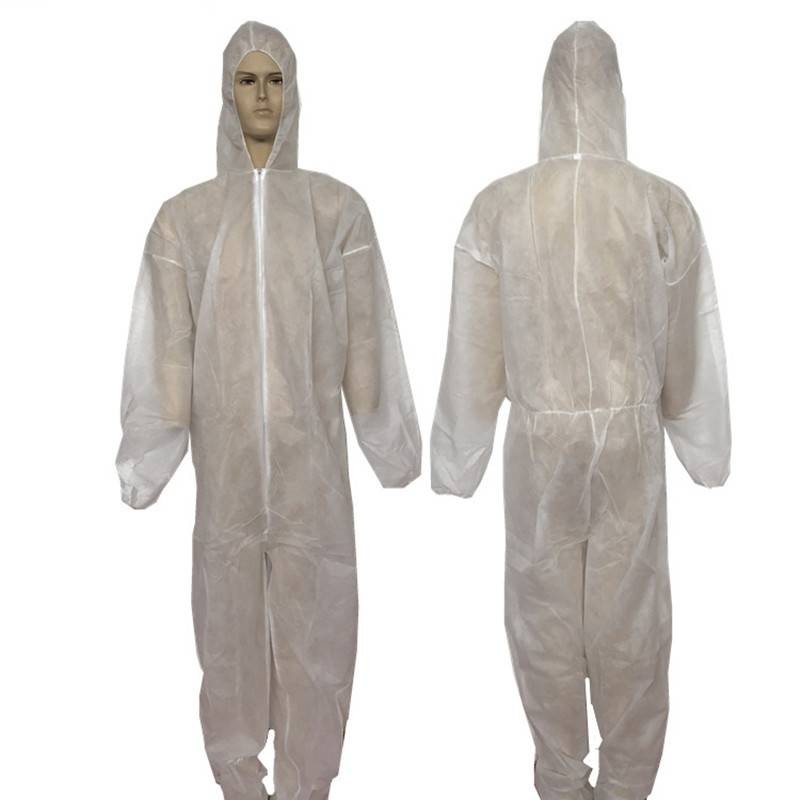
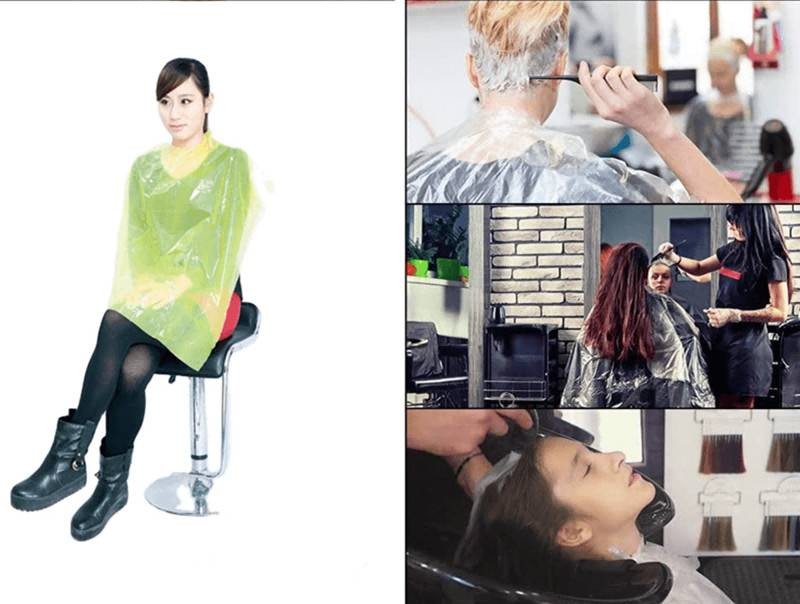
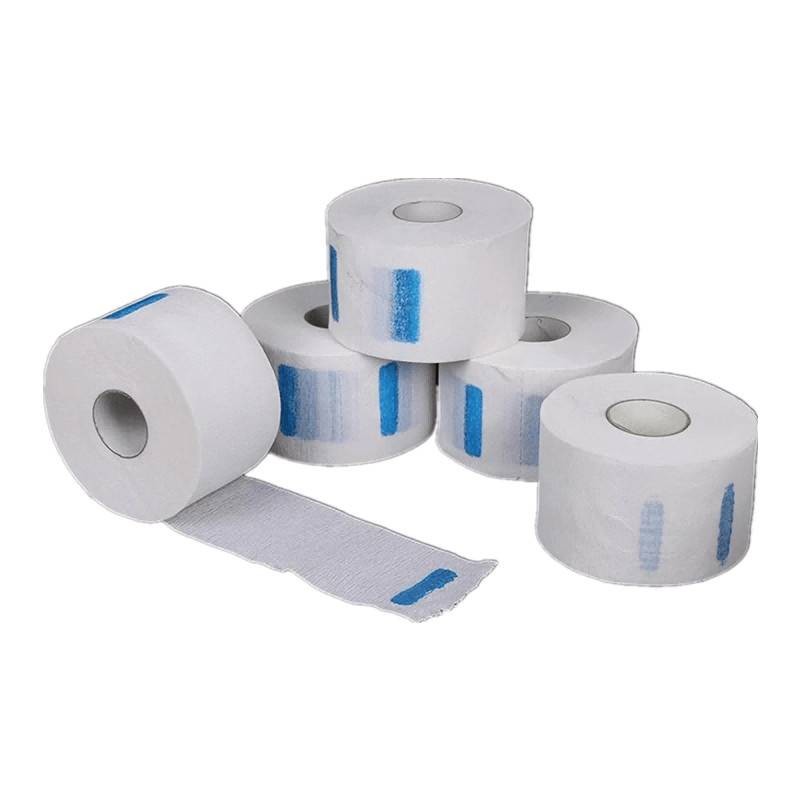
Traditionally, single-use spa products—such as bed sheets, headbands, and slippers—were manufactured using petroleum-based plastics or non-recyclable synthetic fibers. While effective at preventing cross-contamination, these products contribute to the millions of tons of salon waste that end up in landfills annually, taking centuries to decompose.

As modern clients become more environmentally savvy, they are scrutinizing the "behind-the-scenes" ethics of their favorite spas. A luxury facial loses its appeal if the client realizes it generated a pile of non-biodegradable waste.

The New Material Frontier

At Anhui Guohong Industrial & Trading Co., Ltd., we are at the forefront of this transition, replacing traditional synthetics with high-performance, earth-friendly alternatives. Here are the materials currently transforming the professional landscape:

1. Bamboo Fiber

Bamboo is one of the most sustainable resources on Earth. It grows rapidly without the need for pesticides and requires significantly less water than cotton. In a spa setting, bamboo-based non-woven fabrics are a revelation. They are naturally antibacterial, incredibly soft to the touch, and fully biodegradable.

2. PLA (Polylactic Acid)

Derived from renewable resources like corn starch or sugar cane, PLA is a bioplastic that offers the moisture-wicking properties of traditional plastic but is designed to compost under the right conditions. It is becoming the go-to material for disposable wraps and protective coverings.

3. Certified Wood Pulp (Lyocell/Tencel)

By using wood pulp sourced from sustainably managed forests, manufacturers can create disposable towels and sheets that are more absorbent than cotton. These fibers are processed in a "closed-loop" system where nearly 100% of the solvent is recycled, making the production process as clean as the final product.

The B2B Advantage: Why Sustainability is Good for Business

Switching to biodegradable disposables isn't just an ethical choice; it’s a strategic business move for spa owners and distributors:

  • Brand Premiumization: Positioning your spa as "Eco-Friendly" or "Zero-Waste" allows you to attract a higher-spending demographic that prioritizes sustainability.
  • Regulatory Compliance: With many regions implementing bans on single-use plastics, transitioning to biodegradable alternatives now ensures your business is ahead of future legislation.
  • Enhanced Client Experience: Modern biodegradable materials often feel more "natural" and luxurious than their scratchy, plastic-heavy predecessors.
  • Marketing Storytelling: Every biodegradable sheet used is a story you can tell your clients, proving that your commitment to their wellness extends to the wellness of the planet.

The Path Forward

The "Green Shift" in the spa industry is a journey, not an overnight change. By choosing partners who prioritize sustainable manufacturing, spa businesses can ensure that "disposable" no longer means "wasteful."

At Anhui Guohong Industrial & Trading, we are committed to engineering the next generation of beauty essentials that protect your clients today and the environment tomorrow.


Related information

In totalvisitors commented Netizens commentary

Verification Code: Can't see clearly?