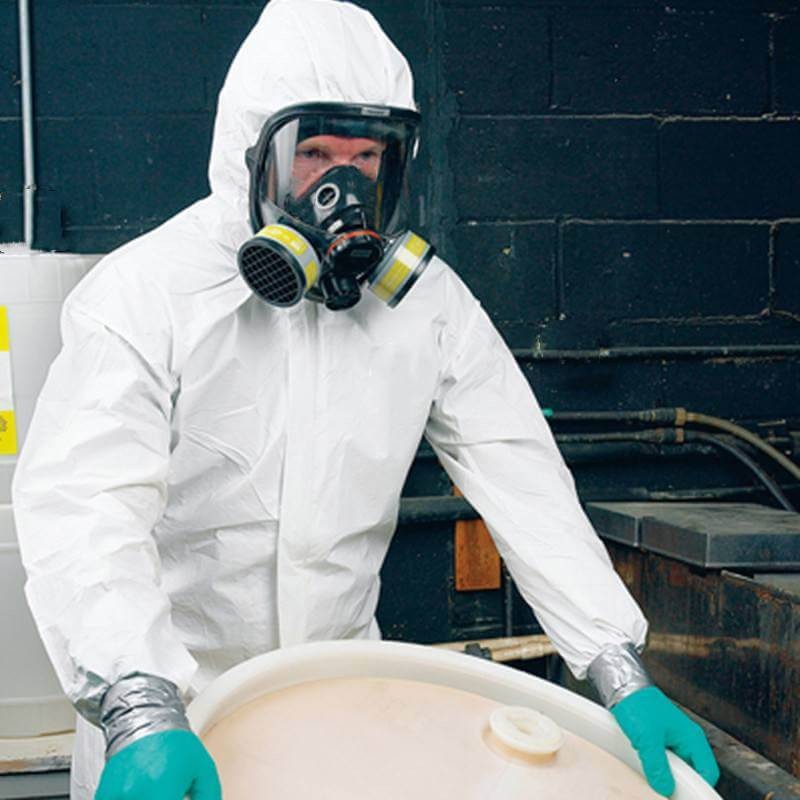
Wear microporous coverall
Step 1: Hand hygiene, change personal clothing, wear work clothes, remove personal items such as jewelry, watches, mobile phones, etc.: wear work shoes or rubber boots, disposable work caps:
Step 2: Wear a medical protective mask and do an air tightness check:Step 3: Wear inner gloves (when performing operations that are likely to cause damage to the gloves or serious contamination), and check the air tightness:
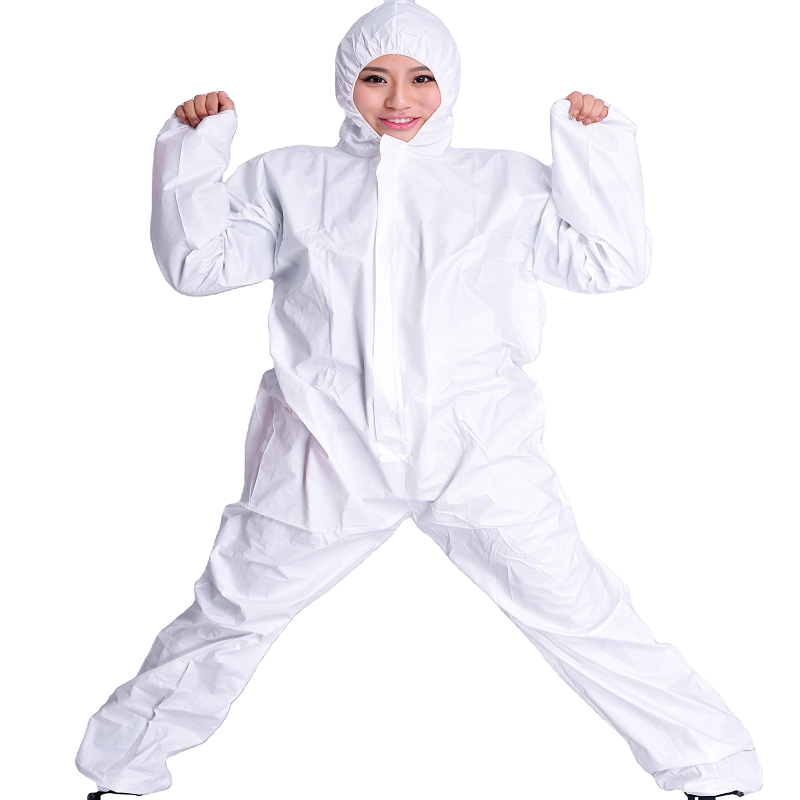
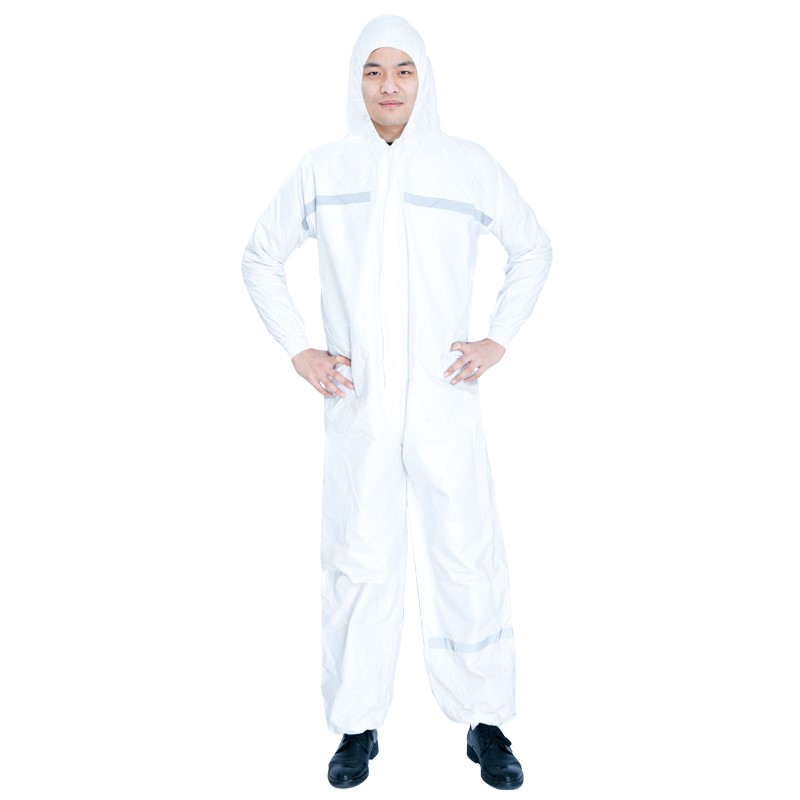
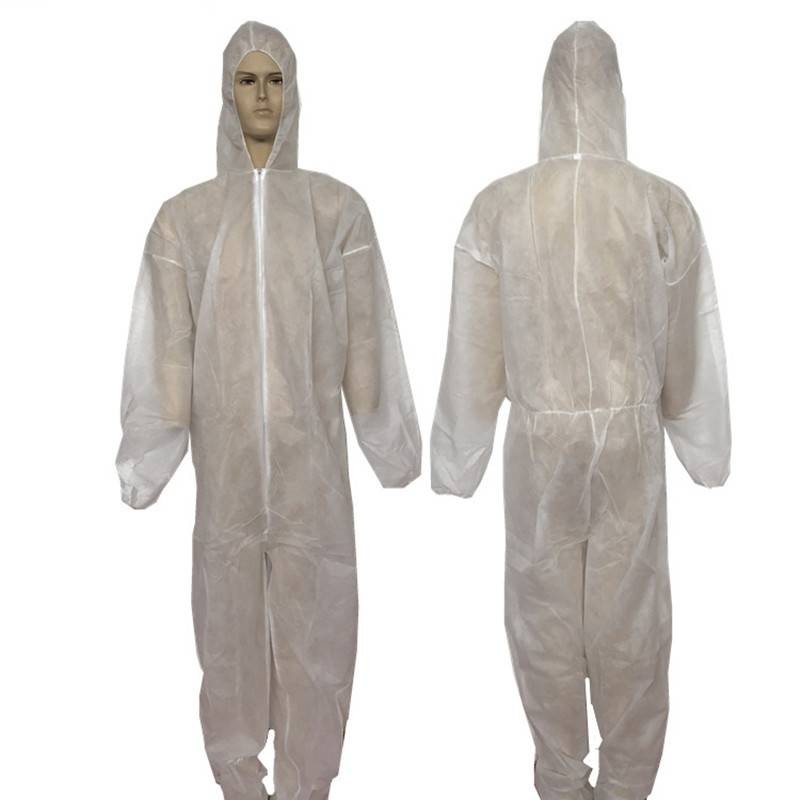
Step 4: Wear microporous coverall and make sure that the cuffs of the microporous coveralls cover the cuffs of the inner gloves. First wear the lower limbs and then the upper limbs, pull the zipper to the chest, and then buckle the protective cap to the head
Step 5: Wear waterproof boot covers:
Step 6: Wear protective hoods or protective visors or goggles (worn when touching patients with vomiting, diarrhea or bleeding);
Step 7: Wear a waterproof apron or waterproof isolation gown (wear when touching patients with vomiting, diarrhea or bleeding);
Step 8: Wear outer gloves (cover the cuffs of protective clothing or waterproof isolation gown), and do an air tightness check:
Step 9: Supervisors assist in checking and confirming the effect of wearing, to ensure that there is no naked hair, skin and clothing, and normal physical activity does not affect diagnosis and treatment work:
Step 10: If touching the patient, disinfect the outer gloves.
2 Take off the microporous coverall sequence
Step 1: When the outer layer of personal protective equipment has visible contaminants, it should be wiped and disinfected;Step 2: Disinfect outer gloves;
Step 3: (if wearing) take off the waterproof apron (if wearing a waterproof isolation gown, take off the outer gloves first or take off together with the isolation gown) and disinfect the outer gloves;
Step 4: Take off the outer gloves and disinfect the inner gloves:
Step 5: Take off the protective face screen (goggles), disinfect the inner gloves;
Step 6: (if worn) Take off the protective hood and disinfect the inner gloves:
Step 7: Take off the microporous coverall, take off the waterproof boot cover at the same time, and disinfect the inner gloves:
Step 8: Take off the inner gloves, disinfect your hands, and replace with new inner gloves:
Step 9: Disinfect and replace work shoes or rubber boots, and disinfect inner gloves:
Step 10: Take off the medical protective mask and disposable work cap, and disinfect the inner gloves:
Step 11: Take off the inner gloves, wash your hands, and disinfect your hands: Put on a new surgical mask in time:
Step 12: Instruct or assist the staff and the staff to evaluate the de-guessing process. If the skin may be contaminated or dry, it should be disinfected in time:
Step 13: Change back to personal clothes and take a shower if possible.
When taking off personal protective equipment, qualified personnel should be present to guide and assist. The personnel should wear personal protective equipment (and at least include protective clothing or isolation gowns, masks, protective visors or goggles and gloves, etc.) to assess the individual Contamination of protective equipment, compare the removal sequence table, verbally remind each removal sequence, assist in removal of equipment and timely disinfection of gloves.
microporous coverall have good moisture permeability and barrier properties, can effectively resist the penetration of alcohol, blood, body fluids, air dust particles, bacteria, safe and convenient to use, and can effectively protect the wearer from the threat of infection.