Why More Industries Depend on Disposable Protective Clothing
Disposable protective clothing has become an essential part of workplace safety in many industries.
From manufacturing plants and laboratories to hospitals and food processing facilities, companies use disposable PPE to reduce contamination risks, protect workers, and maintain compliance with industry requirements.
However, not every workplace requires the same level of protection.
The right disposable protective clothing depends on factors such as:
- Type of hazard
- Working environment
- Exposure level
- Industry regulations
- Required protection standards
Understanding where disposable PPE is commonly used helps buyers select the right products for their specific applications.
What Is Disposable Protective Clothing?
Disposable protective clothing refers to single-use garments designed to create a protective barrier between workers and workplace hazards.
Common products include:
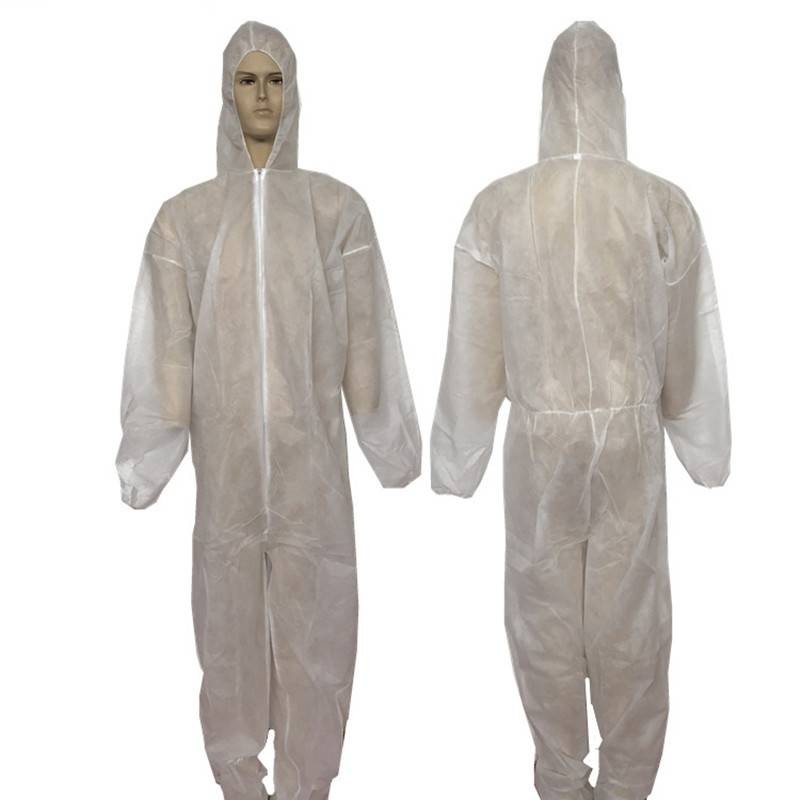
- Disposable coveralls
- Protective gowns
- Disposable lab coats
- Shoe covers
- Sleeve covers
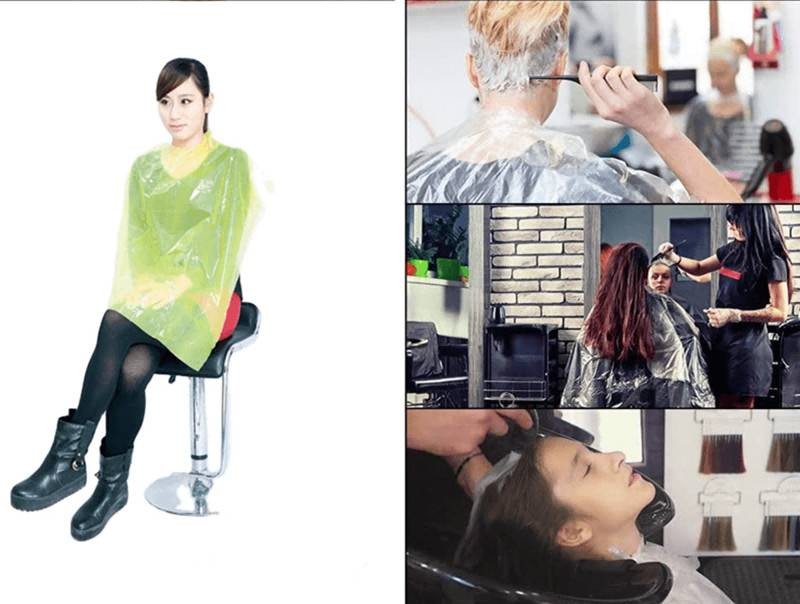
- Protective aprons
Unlike ordinary workwear, disposable protective clothing is designed for environments where hygiene, contamination control, or hazard protection is critical.
Many products are tested according to international standards such as:
- CE certification
- EN ISO 13982-1 (Type 5)
- EN 13034 (Type 6)
- EN 14126
1. Healthcare and Medical Industry
Healthcare is one of the most recognized industries using disposable protective clothing.
Hospitals, clinics, laboratories, and medical facilities rely on disposable PPE to reduce cross-contamination and protect healthcare workers.
Common products include:
- Disposable isolation gowns
- Protective coveralls
- Surgical gowns
- Face masks
- Shoe covers
Why Disposable PPE Is Important in Healthcare
Medical environments require strict hygiene control.
Disposable protective clothing helps:
- Reduce infection risks
- Maintain sterile conditions
- Protect healthcare workers
- Prevent contamination transfer
Products used in medical applications often require specific certifications depending on the level of protection needed.
2. Pharmaceutical Manufacturing
Pharmaceutical production requires extremely controlled environments.
Workers may handle:
- Active pharmaceutical ingredients (API)
- Chemical substances
- Fine powders
- Sensitive products
Disposable protective clothing helps prevent:
- Product contamination
- Particle transfer
- Worker exposure
Common requirements include:
- Low particle shedding
- Comfortable long-time wearing
- Reliable barrier performance
Type 5 protective coveralls are frequently used in pharmaceutical environments where airborne particle protection is required.
3. Chemical Industry
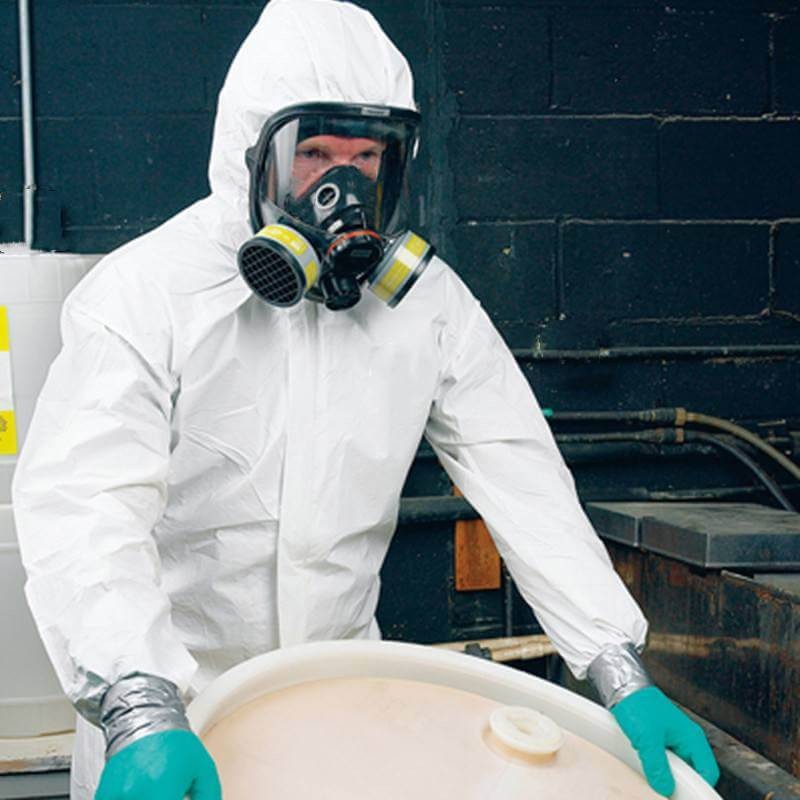
Chemical manufacturing is one of the industries with the highest requirements for protective clothing.
Workers may face exposure to:
- Chemical liquids
- Solvents
- Powders
- Hazardous substances
The correct protective clothing depends on chemical type and exposure level.
Common solutions include:
- Type 5 coveralls for particle protection
- Type 6 coveralls for limited liquid splash
- Higher protection garments for more demanding environments
Selecting the correct PPE standard is more important than simply choosing thicker materials.
4. Food Processing Industry
Food manufacturers use disposable protective clothing to maintain hygiene standards and prevent contamination during production.
Common applications include:
- Meat processing
- Bakery production
- Beverage manufacturing
- Food packaging
Typical disposable PPE includes:
- Disposable aprons
- Gloves
- Hairnets
- Beard covers
- Sleeve covers
- Shoe covers
Benefits for Food Processing
Disposable protective clothing helps:
- Reduce foreign material contamination
- Improve hygiene control
- Support food safety management systems
- Maintain clean production areas
5. Laboratories and Research Facilities
Laboratories often involve chemicals, biological materials, and sensitive experiments.
Disposable protective clothing helps protect:
- Researchers
- Laboratory technicians
- Testing environments
Applications include:
- Chemical testing
- Biological research
- Medical laboratories
- University research centers
Laboratory PPE selection should always consider the specific risks involved rather than using a general-purpose solution.
6. Automotive and Manufacturing Industry
Modern manufacturing environments use disposable PPE to protect workers and maintain production quality.
Common applications include:
- Painting operations
- Assembly lines
- Equipment maintenance
- Clean manufacturing areas
Disposable coveralls can help protect against:
- Paint particles
- Dust
- Fibers
- Industrial contaminants
7. Construction and Hazardous Material Handling
Construction and remediation projects often involve dust, debris, and contaminated materials.
Disposable protective clothing is commonly used for:
- Asbestos removal
- Demolition projects
- Industrial cleaning
- Waste handling
In these environments, particle protection is a major concern.
Type 5 coveralls are often selected for applications involving hazardous airborne particles.
How Industries Choose the Right Disposable Protective Clothing
Different industries have different protection requirements.
Before purchasing, buyers should evaluate:
1. Hazard Type
Is the risk from:
- Particles?
- Liquids?
- Chemicals?
- Biological materials?
2. Protection Standard
Check whether the product meets required standards:
- CE
- Type 5
- Type 6
- EN 14126
3. Material Performance
Common materials include:
PP Nonwoven
Suitable for:
- Basic hygiene protection
- Low-risk environments
SMS
Provides:
- Better breathability
- Improved particle barrier
Microporous Laminated Fabric
Suitable for:
- Higher barrier requirements
- Chemical and industrial applications
4. Supplier Capability
Professional buyers should evaluate:
- Manufacturing experience
- Quality control system
- Certification documents
- Export capability
- OEM support
Common Mistakes When Selecting Disposable Protective Clothing
Choosing Only Based on Price
The cheapest product may not provide the required protection level.
Ignoring Application Requirements
A medical gown and an industrial chemical coverall may look similar but serve completely different purposes.
Overlooking Certification
Certification provides important information about tested protection performance.
Buying Without Sample Testing
Before bulk purchasing, buyers should confirm:
- Product quality
- Fit
- Comfort
- Packaging requirements
Frequently Asked Questions
Which industries use disposable protective clothing?
Healthcare, pharmaceutical, chemical, food processing, laboratory, manufacturing, and construction industries commonly use disposable protective clothing.
Why do industries prefer disposable PPE?
Disposable PPE helps reduce contamination risks, simplify hygiene management, and provide task-specific protection.
What is the most common disposable protective clothing?
Disposable coveralls, gowns, aprons, gloves, masks, and shoe covers are among the most widely used products.
How do I choose the right disposable protective clothing supplier?
Buyers should evaluate certifications, production capability, quality control systems, and experience supplying international markets.