Introduction: Why Choosing the Right Protective Clothing Supplier Matters
For PPE importers and distributors, selecting a protective clothing supplier is not only about finding a manufacturer with competitive prices.
The right supplier should provide consistent product quality, reliable certifications, stable production capacity, and professional export experience.
Disposable protective clothing is widely used in industries such as:
- Healthcare
- Pharmaceutical manufacturing
- Chemical processing
- Food production
- Industrial maintenance
- Laboratory environments
However, different applications require different protection levels, materials, and manufacturing standards.
A supplier that works well for basic hygiene products may not be suitable for high-performance protective clothing.
This is why importers need a structured evaluation process before placing bulk orders.
Understanding Different Types of Protective Clothing
Before choosing a supplier, importers should understand the main categories of disposable protective clothing.
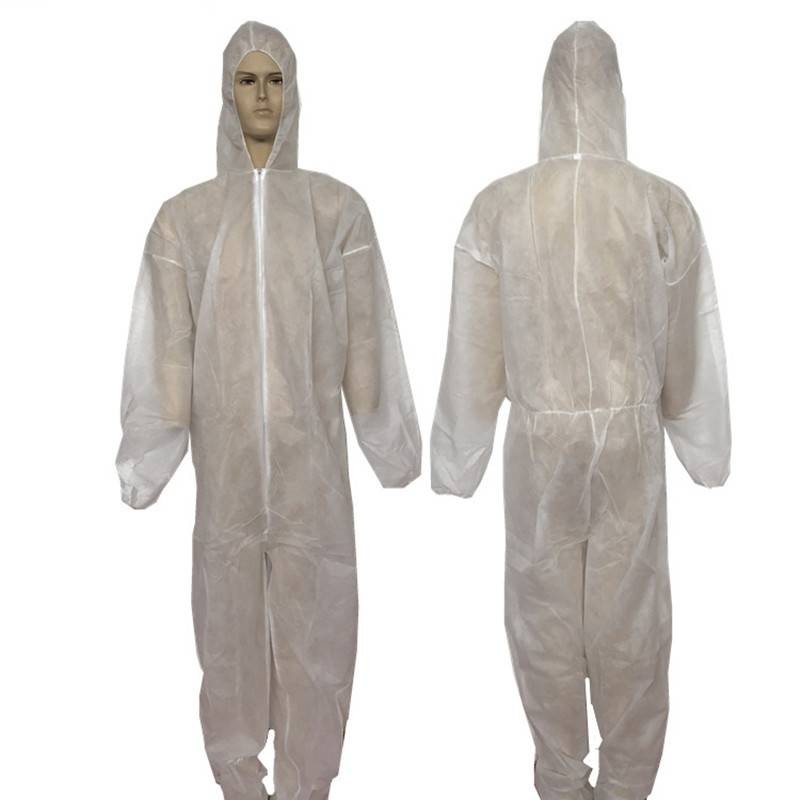
Disposable Coveralls
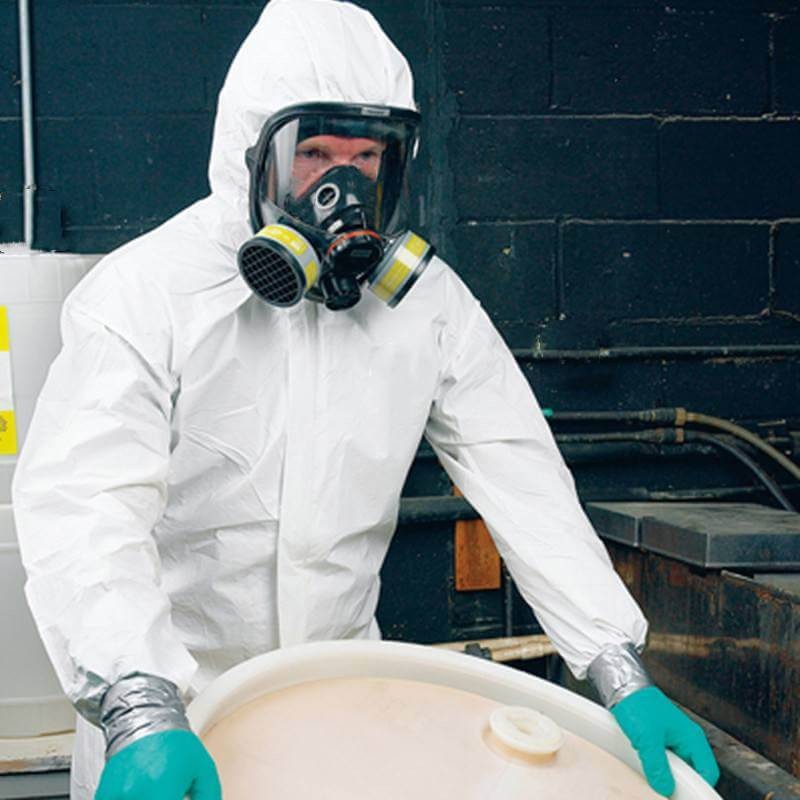
Disposable coveralls provide full-body protection and are commonly used in:
- Chemical handling
- Construction
- Pharmaceutical production
- Clean environments
Common materials include:
- PP nonwoven
- SMS
- Microporous laminated fabric
Different materials provide different levels of:
- Breathability
- Liquid resistance
- Particle protection
Disposable Medical Protective Clothing
Medical protective garments are designed for healthcare and clinical environments.
Important considerations include:
- Barrier performance
- Sterilization requirements
- Product standards
- Manufacturing hygiene controls
Food Processing Protective Clothing
Food industries require disposable garments to maintain hygiene and prevent contamination.
Typical products include:
- Disposable coveralls
- Sleeves
- Aprons
- Shoe covers
- Beard covers
Key Factors Importers Should Evaluate Before Choosing a Supplier
1. Product Quality and Material Specifications
The first step is understanding exactly what you are buying.
A professional supplier should provide detailed specifications, including:
- Fabric type
- Fabric weight (GSM)
- Color options
- Size range
- Packaging method
- Product application
For example, a 40 GSM PP coverall and a 55 GSM microporous coverall may look similar but provide very different protection performance.
2. Certification and Compliance Documents
For international buyers, certification is one of the most important supplier evaluation factors.
Depending on the target market, importers may require:
- CE certification
- EN standards compliance
- Test reports
- Quality management documents
Common protective clothing standards include:
- EN ISO 13688 - General requirements for protective clothing
- EN ISO 13982 - Protection against airborne solid particles (Type 5)
- EN 13034 - Limited protection against liquid chemicals (Type 6)
- EN 14126 - Protective clothing against biological hazards
A reliable supplier should understand these standards and provide appropriate documentation.
3. Manufacturing Capability and Production Capacity
Price is important, but supply reliability is equally critical.
Before cooperation, importers should evaluate:
Production Equipment
Check whether the manufacturer has:
- Modern production lines
- Skilled workers
- Quality inspection procedures
Monthly Capacity
A supplier should clearly communicate:
- Production capacity
- Lead time
- Peak season handling ability
This helps avoid supply interruptions during large orders.
4. Quality Control Process
Professional protective clothing suppliers should have quality control throughout the entire production process.
A complete quality management system normally includes the following stages:
Raw Material Inspection
Before production begins, suppliers should check:
- Fabric quality
- Material consistency
- Supplier documentation
- Fabric specifications
Production Inspection
During manufacturing, quality control should focus on:
- Sewing quality
- Seam strength
- Product dimensions
- Garment appearance
Final Inspection
Before shipment, suppliers should verify:
- Packaging quality
- Carton quantity
- Product specifications
- Order requirements
5. OEM and Customization Capability
Many PPE importers are not only looking for standard products. They also need suppliers that can support their own brands and market requirements.
A manufacturer with OEM experience can provide:
- Custom packaging
- Private labeling
- Customized sizes
- Brand printing
- Special colors
For distributors and wholesalers, OEM capability can help create differentiated products and build long-term market competitiveness.
6. Export Experience and Communication Ability
A factory may produce good products but still lack experience working with international buyers.
Professional export suppliers should understand:
- International shipping requirements
- Export documentation
- Packaging standards
- Customer communication processes
Good communication helps reduce:
- Production mistakes
- Delivery delays
- Documentation problems
- Quality misunderstandings
How to Compare Different Protective Clothing Suppliers
When comparing suppliers, importers should not focus only on unit price.
A professional evaluation should include product quality, certification, manufacturing capability, and long-term cooperation potential.
| Evaluation Factor | Why It Matters |
| Material quality | Determines protection performance and product reliability. |
| Certification | Supports market access and improves customer confidence. |
| Production capacity | Ensures stable supply for large and repeat orders. |
| Quality control | Reduces defective products and customer complaints. |
| OEM capability | Supports private brands and customized solutions. |
| Export experience | Helps ensure smooth communication and international delivery. |
Common Mistakes PPE Importers Should Avoid
Choosing Only the Lowest Price
The lowest quotation does not always represent the best value.
Very low prices may result from:
- Lower-grade materials
- Reduced inspection procedures
- Limited production control
Importers should evaluate total value instead of only comparing unit cost.
Ignoring Technical Documents
Protective clothing is often regulated by international standards.
Importers should confirm technical documents before shipment, including:
- Test reports
- Certification documents
- Product specifications
- Quality records
Missing documentation may cause:
- Customs issues
- Customer complaints
- Market access problems
Ordering Without Samples
Before placing large orders, professional buyers should evaluate samples carefully.
Sample testing should include:
- Garment fit
- Material performance
- Packaging quality
- Product consistency
Working With Suppliers Without Industry Experience
Protective clothing requires technical knowledge, not only manufacturing capability.
An experienced supplier should understand:
- Protection standards
- Application requirements
- International buyer expectations
- Product customization requirements
Questions Importers Should Ask Protective Clothing Manufacturers
Before starting cooperation with a protective clothing manufacturer, importers should ask detailed questions about products, production, quality control, and customization capabilities.
Questions About Products
- What materials are available for different applications?
- What protection standards does the product meet?
- Can you provide test reports and certification documents?
- What fabric weight and specifications are available?
- Can the product be customized according to market requirements?
Questions About Production
- What is your monthly production capacity?
- How do you control product quality during manufacturing?
- What is the standard production lead time?
- How do you handle urgent or large-volume orders?
- What inspection procedures are used before shipment?
Questions About OEM Cooperation
- Can you provide private labeling services?
- Can packaging be customized?
- Can you support long-term brand cooperation?
- Can you develop products based on specific requirements?
How to Build a Long-Term Relationship With a PPE Supplier
Successful PPE importing is usually based on long-term cooperation rather than one-time purchasing.
A reliable supplier should act as a manufacturing partner instead of only a product seller.
Long-term cooperation requires:
- Clear product specifications
- Regular communication
- Stable quality control
- Reliable delivery schedules
- Continuous product improvement
For importers and distributors, a stable supplier relationship can help reduce purchasing risks and improve customer satisfaction.
Frequently Asked Questions
How do I choose a reliable protective clothing supplier?
Importers should evaluate product quality, certification documents, manufacturing capability, quality control procedures, OEM experience, and export history before choosing a supplier.
What certifications should PPE importers check?
The required certifications depend on the target market and product application. Common documents include CE certification, EN standard compliance, test reports, and product technical files.
Should importers choose manufacturers or trading companies?
Direct manufacturers often provide better control over customization, production schedules, and quality management. However, supplier capability and reliability should always be evaluated before cooperation.
What is the most important factor when buying disposable protective clothing?
There is no single factor that determines product quality. Professional buyers should consider protection requirements, material performance, certification, supplier reliability, production capacity, and cost together.
How can importers reduce purchasing risks when buying PPE?
Importers can reduce risks by checking supplier qualifications, requesting samples, reviewing technical documents, confirming production processes, and maintaining clear communication throughout cooperation.
Conclusion
Choosing the right protective clothing supplier is a critical decision for PPE importers and distributors.
A reliable manufacturer should provide more than competitive pricing. Product quality, certification knowledge, production capability, customization support, and export experience are equally important.
By evaluating suppliers systematically, importers can reduce purchasing risks, improve product reliability, and build stronger long-term partnerships in the global PPE market.