Chemical protective clothing (CPC) is essential for safeguarding workers and responders from hazardous substances. Exposure to chemicals can cause serious injuries or even fatalities, so it’s critical to choose the right level of protection based on the type and concentration of the chemical hazard. The Occupational Safety and Health Administration (OSHA) and the National Institute for Occupational Safety and Health (NIOSH) categorize chemical protective clothing into four distinct levels, from the highest to the lowest protection. Understanding these four levels helps ensure safety and compliance in hazardous environments.
Level A: Highest Level of Protection
- Description: Level A provides the maximum protection against vapors, gases, mists, and particles. It features a fully encapsulating, vapor-tight suit combined with self-contained breathing apparatus (SCBA).
- Use Cases: Used in environments where the chemical hazard is unknown or extremely toxic, and the risk of skin and respiratory exposure is very high.
-
Key Features:
- Fully encapsulated suit covering the entire body.
- Vapor-tight material to prevent any chemical penetration.
- SCBA or supplied air respirator within the suit.
- Chemical-resistant gloves and boots.
- Examples: Handling highly toxic gases like chlorine or ammonia leaks, unknown chemical spills, or chemical warfare agents.
Level B: High Respiratory Protection, Lower Skin Protection
- Description: Level B provides the same high level of respiratory protection as Level A but offers less skin protection. The suit is not vapor-tight but splash-resistant.
- Use Cases: Suitable where the respiratory hazard is severe, but skin exposure risk is lower or the chemical is less likely to penetrate the suit.
-
Key Features:
- Splash-resistant, chemical-resistant suit (non-vapor tight).
- SCBA or supplied-air respirator worn outside the suit.
- Chemical-resistant gloves and boots.
- Examples: Working with liquid chemical spills with known hazards, where vapor exposure is limited.
Level C: Moderate Protection with Air-Purifying Respirator
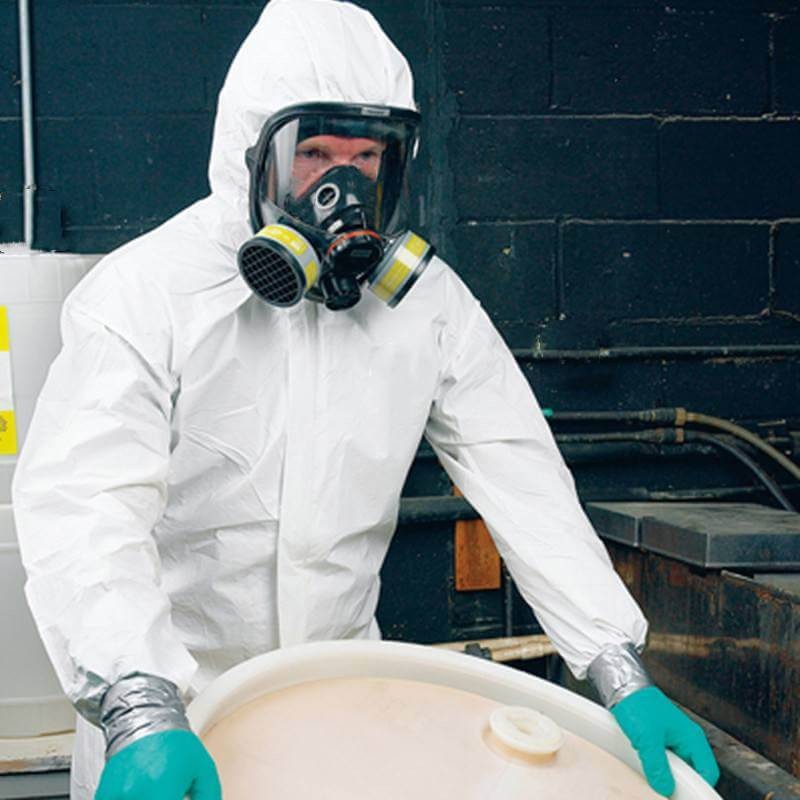
- Description: Level C is used when the chemical hazard is known, and the concentration allows for the use of air-purifying respirators instead of SCBA. The suit is splash-resistant but less protective than Level B.
- Use Cases: Environments where airborne contaminants are at safe levels for air-purifying respirators, and there is only a risk of splashes or liquid contact.
-
Key Features:
- Chemical-resistant clothing (splash protection).
- Air-purifying respirator with appropriate filters.
- Chemical-resistant gloves and boots.
- Examples: Handling low-concentration chemical spills or working in atmospheres with known, less hazardous vapors or aerosols.
Level D: Minimal Protection
- Description: Level D provides the lowest protection, typically used for nuisance contamination only. It includes standard work clothes without respiratory protection.
- Use Cases: Situations where there is no risk of chemical exposure or only minimal contact with non-hazardous materials.
-
Key Features:
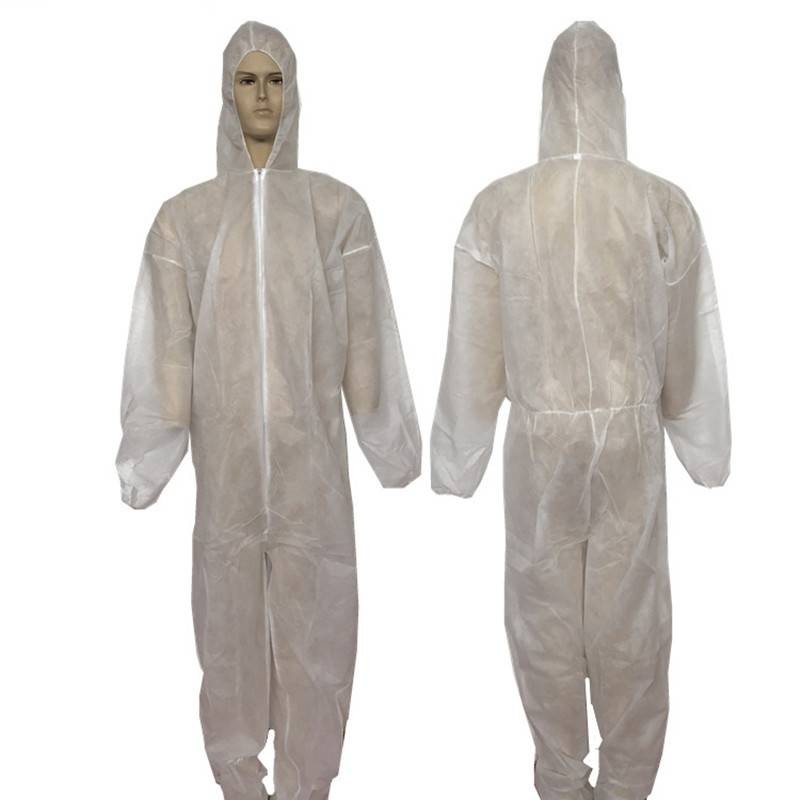
- Standard work uniform or coveralls.
- Safety glasses or goggles.
- Gloves as needed.
- Examples: Routine maintenance in chemically safe areas, inspection tasks, or as a baseline protective gear.
Summary Table
| Level | Respiratory Protection | Skin Protection | Typical Use Case |
|---|---|---|---|
| A | SCBA, vapor-tight | Fully encapsulating suit | Unknown/very toxic environments |
| B | SCBA, splash-resistant suit | Splash-resistant suit | High respiratory hazard, splash risk |
| C | Air-purifying respirator | Splash-resistant clothing | Known chemicals, low vapor hazard |
| D | None | Standard work clothes | No chemical exposure risk |
Conclusion
Choosing the right level of chemical protective clothing is critical for worker safety and regulatory compliance. Level A suits offer the highest protection but are bulky and costly, while Level D is suitable only for non-hazardous environments. Understanding the four levels helps responders and workers assess risks effectively and select appropriate protective gear, minimizing chemical exposure and ensuring health and safety on the job.