In hazardous work environments, protective clothing is essential. Microporous coveralls, specifically those classified as Type 4, 5, and 6, offer a crucial barrier against various risks. This guide will explain what microporous coveralls are, the differences between these types, and how to choose the right one for your specific needs.
What are Microporous Coveralls?
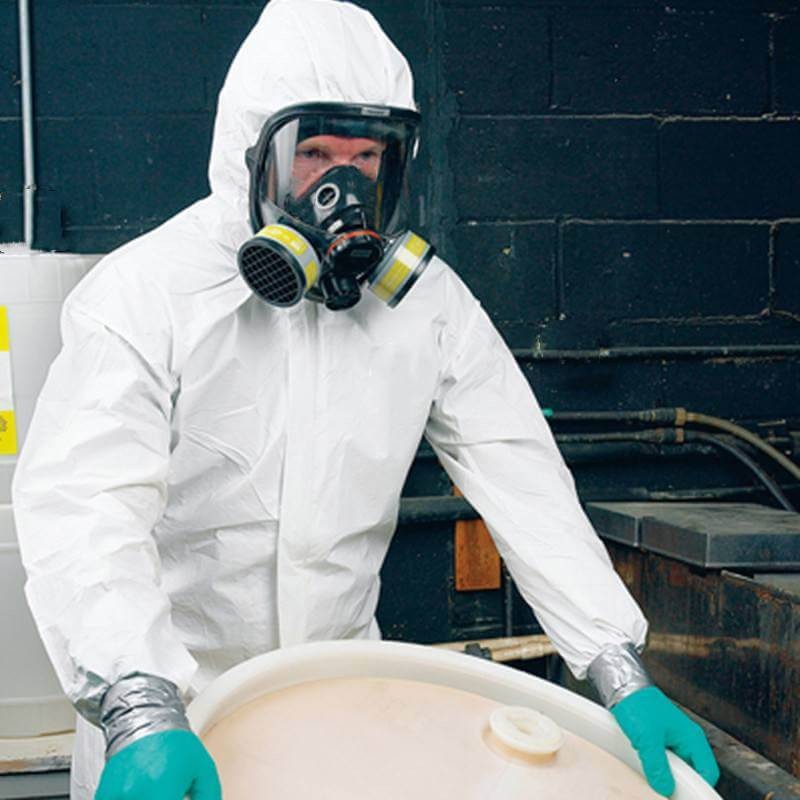
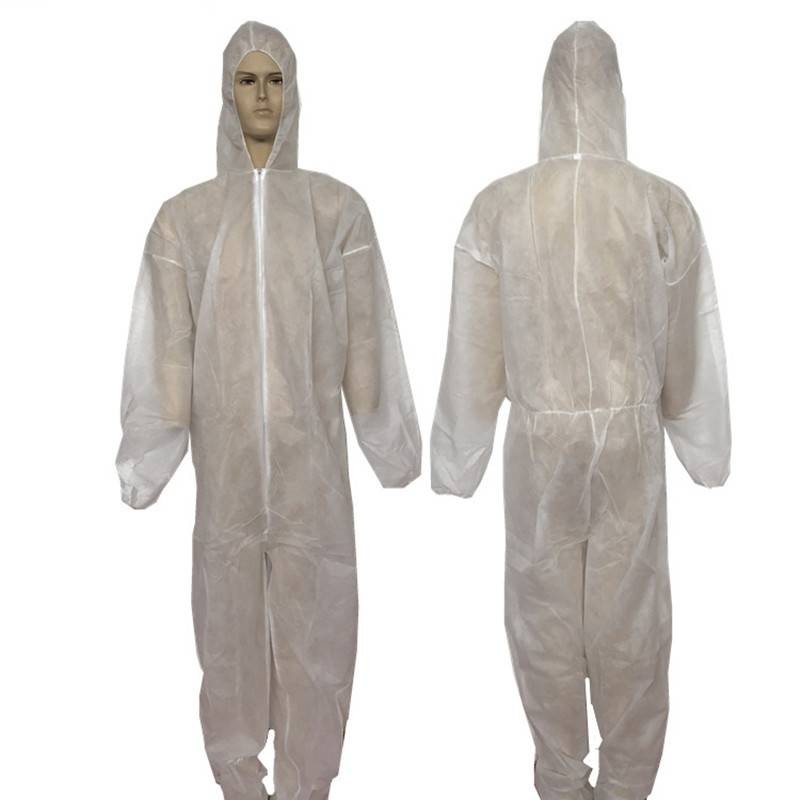
Microporous coveralls are made from a lightweight, breathable material that provides a barrier against particles, liquids, and limited chemical splash. The "microporous" membrane has tiny pores that allow air and moisture vapor to escape, enhancing comfort and reducing heat stress, while preventing the ingress of hazardous substances. These coveralls are commonly used in industries such as:
- Manufacturing
- Construction
- Healthcare
- Agriculture
- Pharmaceuticals
- Asbestos removal
- Painting
- Forensics
Understanding Types 4, 5, and 6
The EN (European Norm) 14126 standard classifies chemical protective clothing based on the type and level of protection they offer. Types 4, 5, and 6 microporous coveralls are designed to protect against different hazards:
-
Type 4: Spray-Tight Coveralls: These coveralls offer protection against saturation spray of liquids. They are designed to prevent liquid penetration under pressure and are often used in environments where there is a risk of chemical or liquid splashes.
- Protection: Protects against heavy sprays of liquids.
- Testing: Subjected to a spray test to ensure resistance to liquid penetration.
- Features: Taped seams and secure closures.
- Ideal For: Chemical handling, cleaning, and industrial applications where liquid exposure is a concern.
-
Type 5: Particle-Tight Coveralls: These coveralls protect against hazardous dry particles and airborne solid particles. They are designed to prevent the penetration of dust and other fine particles.
- Protection: Protects against hazardous dry particles and airborne solid particles
- Testing: Subjected to inward leakage tests with airborne particles.
- Features: Elasticated cuffs, ankles, and hood to prevent particle entry.
- Ideal For: Asbestos removal, construction, grinding, and polishing.
-
Type 6: Limited Splash-Tight Coveralls: These coveralls offer limited protection against light splashes and sprays of liquid chemicals. They are designed to provide a basic level of protection against brief, low-pressure exposure to liquids.
- Protection: Protects against light splashes and sprays of liquid chemicals.
- Testing: Subjected to a reduced spray test compared to Type 4.
- Features: Basic seam construction and closures.
- Ideal For: General maintenance, agriculture, and light industrial cleaning.
Key Differences at a Glance
| Feature | Type 4 (Spray-Tight) | Type 5 (Particle-Tight) | Type 6 (Limited Splash-Tight) |
|---|---|---|---|
| Hazard | Heavy liquid sprays | Dry particles | Light liquid splashes |
| Protection Level | High | Moderate | Basic |
| Seam Construction | Taped, sealed | Standard | Standard |
| Common Use | Chemical handling, cleaning | Asbestos removal, grinding | General maintenance, cleaning |
Choosing the Right Microporous Coverall
Selecting the appropriate microporous coverall depends on a thorough risk assessment of the work environment. Consider the following factors:
- Identify Hazards: Determine the specific hazards present, such as liquid chemicals, dry particles, or a combination of both.
- Assess Exposure Level: Evaluate the potential for exposure, including the intensity and duration of contact with hazardous substances.
- Review Safety Data Sheets (SDS): Consult SDS for information on the chemicals being used, including recommended personal protective equipment (PPE).
- Consider Comfort and Fit: Choose a coverall that fits properly and allows for ease of movement. Breathability is also important to prevent heat stress during extended wear.
- Check Certifications: Ensure the coverall meets relevant safety standards and certifications, such as EN 14126.
Features to Look For
- Hood: Provides head and neck protection.
- Elasticated Cuffs and Ankles: Ensure a secure fit and prevent particle or liquid entry.
- Zipper Closure with Flap: Offers a secure and sealed closure.
- Taped Seams: Enhance liquid resistance (especially in Type 4 coveralls).
- Anti-Static Properties: Reduces the risk of static discharge in sensitive environments.
Proper Use and Disposal
- Donning: Put on the coverall in a clean environment to avoid contamination.
- Doffing: Remove the coverall carefully to prevent contact with hazardous substances.
- Disposal: Dispose of used coveralls according to local regulations for hazardous waste.
- Inspection: Inspect coveralls for damage before each use. Do not use if torn or compromised.
Microporous coveralls are a vital component of personal protective equipment, offering essential protection against a range of workplace hazards. Understanding the differences between Type 4, 5, and 6 coveralls, and carefully considering the specific risks of your work environment, will help you choose the right protective clothing to ensure the safety and well-being of workers.